

Table of Contents
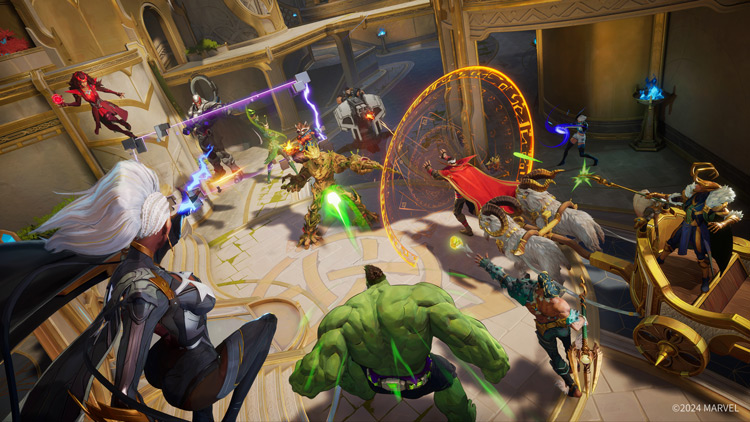
Entering the final seconds of a Marvel Rivals match is an experience that few things can match. Health bars are depleted, everybody is going for broke, and every ability matters. Your heart is hammering in your ears. Then boom! The critical hit is dealt, and it’s game over. One team celebrates while the other regroups, but neither feels cheated.
Matches that go down to the wire are electric, driven by luck. There is an element of randomness to the games that doesn’t feel cheap or unfair. It adds to the dramatic tension and strikes that delicate balance between pleasure and pain, and chance decides the winner.
The Psychology of Earned Randomness
When luck is earned, it never feels unfair or unwarranted. Luck feels different depending on when it arrives. If you’re locked in a tight match and have everybody positioned where you want them for that final push and Hawkeye unleashes a game-ending headshot, you’re happy. Your luck is justified because you put in the groundwork to make it happen. You manufactured your lucky break.
However, if you’re in a game that is so lopsided the result was never in doubt even before things got started, luck feels unfair and pointless. The outcome was inevitable, so any lucky breaks feel meaningless.
We convince ourselves that with the right preparation, we are minimizing randomness by engineering the situation where chance cannot help but be waiting.
Football’s Stoppage Time Drama
This principle plays out beyond gaming. Football fans, for example, understand the excitement of luck well. A 94th-minute corner comes in, a head finds the ball, and it floats over the outstretched arms of the keeper. It starts to drop, and bang, it hits the post and bounces clear of the goal. Pandemonium erupts as the game ends, bringing victory for one team and heartbreak for the other. It was determined by pure luck, but it’s exhilarating.
In these situations, being on the losing end stings, but it’s not unfair. Both teams gave their all and fought for the entirety of the game. The one moment of chance at the end might have decided the result, but everything that came before it tells the full story of two sides battling relentlessly to get a result.
It’s no different than when an ultimate ability triggers as the match heads into overtime. Yes, the result is decided in that moment, but every player has given everything for the game to be that close at such a late stage.
Casino Thrills and Calculated Risks
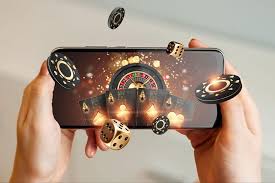
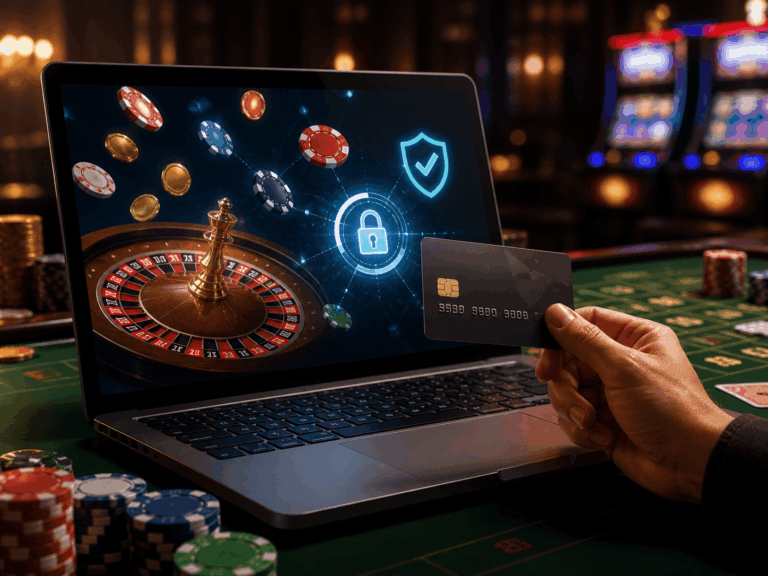
Casino players grasp this psychology instinctively. People who spend time browsing the top online casino picks are not aimlessly browsing. They are seeking out that specific feeling where calculated risk meets the uncertainty of reward. These players are smart, choosing the right games at the right moment. They control their bets, pace themselves, and create the right atmosphere for a big win. They’re engineering opportunities rather than praying for miracles.
When the roulette wheel spins or that final card is turned over, the buzz players feel is earned. They’ve positioned themselves as favourably as possible. It’s the same as if you enter the final push of a Marvel Rivals game with every ability on cooldown. You are preparing and readying yourself so that when the moment comes, you are in the best possible position for Lady Luck to land in your favour. If it does, great, fate was on your side. If it doesn’t, well, you did everything you could, and maybe the next game will have a better outcome.
Basketball’s Buzzer Beaters
Traditional sports offer another perfect example. Basketball perfectly captures the thrill of luck. Imagine after a full game of back-and-forth ball, the teams are evenly matched. There are three seconds left in regulation time. Your team forces a turnover and gets possession. They pass the ball once, find space, and then a player launches a long-range three-pointer just as the buzzer sounds. The ball floats towards the net, hits the backboard, hits the rim once, twice, and finally drops through the net.
Getting into that position takes dedication, teamwork, and individual skill to take the shot. However, where it fell after the second bounce is down to chance. Yes, for the losing team it stings, but again, it’s not unfair. The opposition played well all game, and luck just fell in their favour.
The second bounce and that moment of anticipation is the same as being locked in the end stages of a Marvel Rivals game, only to have your ultimate ability land a random critical hit that ends the match and sends you on a victory lap. Everybody played well, but the randomness of chance provides the finishing touch.
Why Marvel Rivals Nails This Formula
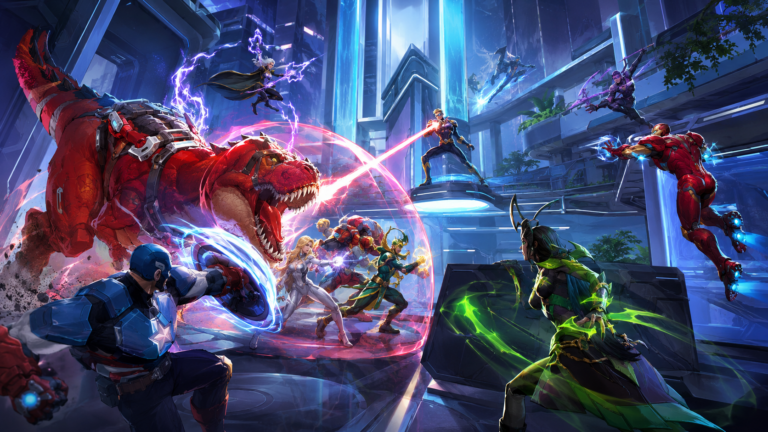
These real-world examples illustrate exactly what Marvel Rivals achieves in its design. The random elements need work to be effective. Players must set up in the right way and have the right level of skill to capitalise on these moments when they arise. Storm’s lightning is only effective when properly positioned. Magneto’s scatter damage requires players to be smart with their ability usage. Each of the heroes can take randomness and turn it into guided good fortune, changing things from slot machine mechanics to skill-based actions. Results are still variable, but users can at least accept that they have done everything they could.
Close matches just mean both teams have positioned themselves effectively. The final fight then comes down to who can engineer the most luck. Who can get that critical blow from Loki’s daggers or take out that low-health support with some chain lightning? It’s a testament to great game design that players can get themselves into these engaging positions. In these situations, where fate falls, it’s not frustrating for either side. It’s well deserved and encourages people to return for another run.
Yes, winning is great, but the uncertainty that comes from every close game brings a degree of satisfaction. Players know they have played well and done their best, come win or loss. In Marvel Rivals, the randomness rewards player skill and effort rather than replacing them. This is exactly what good games should do.
The Sweet Spot of Skill and Chance
Close games are decided by luck, driven by players hitting the sweet spot that exists between skill and chance. When it hits, it’s magical, not only because it ends the match in your favour, but because you know you deserved it.
Whether you are playing Marvel Rivals, watching a stoppage time deflection dribble just wide of the post, or waiting to see which number the ball has hit on the slowing roulette wheel, the feeling that rushes through you is born from the same foundation.
When everything is done right and the margin between victory and defeat is nothing, the chaos of randomness and the thrill of getting lucky are the best feelings in the world.