
Table of Contents
One bad patch note can turn Marvel Rivals players into full-time detectives. Everybody suddenly has opinions about balance changes, broken heroes, and whether ranked matchmaking is cursed again.
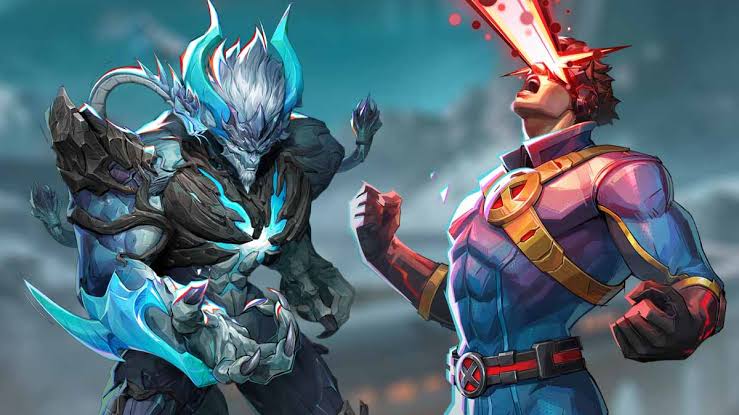
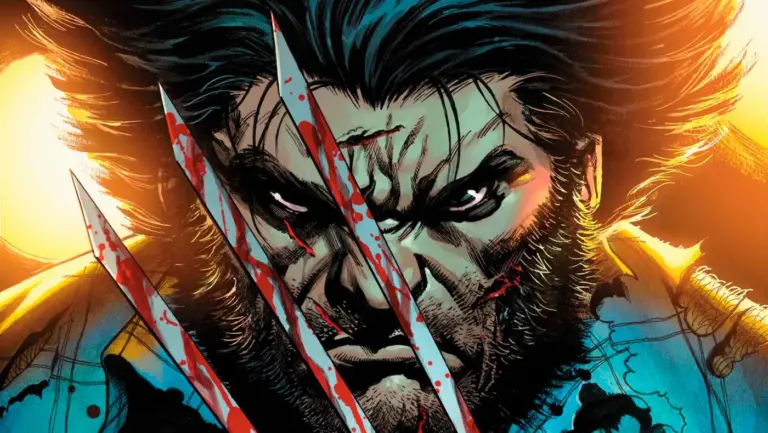
Marvel Rivals gets weird once a new patch lands. One streamer says Wolverine is broken, Reddit starts arguing within ten minutes, then ranked matches fill up with the chaotic hero picks for the next few days. Half the fun sits outside the matches themselves anyway. Players spend just as much time talking about builds, skins, hero balance, and tier lists as they do actually queueing for games.
Reward Loops Are Showing Up Across Digital Entertainment
Modern online entertainment keeps borrowing ideas from gaming culture because those systems clearly work. Daily rewards, progression systems, unlockable perks, limited-time bonuses, and fast-session gameplay now appear almost everywhere people spend time online.
Sweepstakes casino platforms follow that same formula. The current Legendz casino promo code revolves around signup rewards, recurring bonuses, daily engagement, and quick-play systems built around Gold Coins and Sweeps Coins. The platform mixes more than 500 casino games with live dealers and sportsbook betting across roughly 30 sports, which gives it a structure that feels surprisingly familiar to anybody used to live-service gaming progression.
That overlap probably explains why these platforms keep growing inside broader gaming culture. Players already understand reward pacing. They understand login bonuses. They understand progression systems tied to repeated activity. Games trained audiences to think that way years ago.
Marvel Rivals Rewards Keep Players Logging Back In
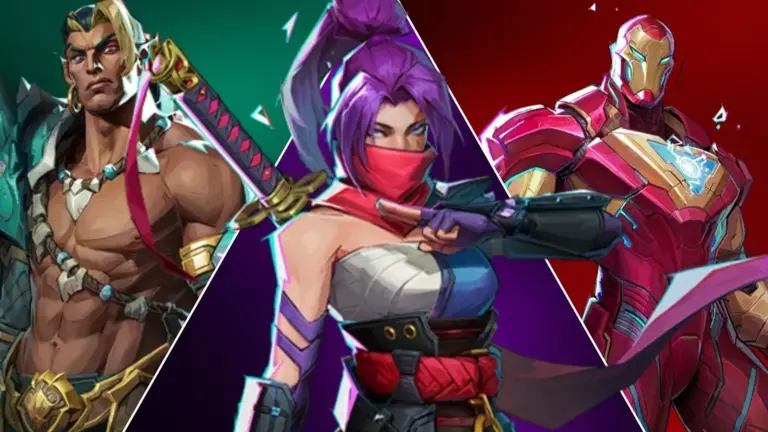
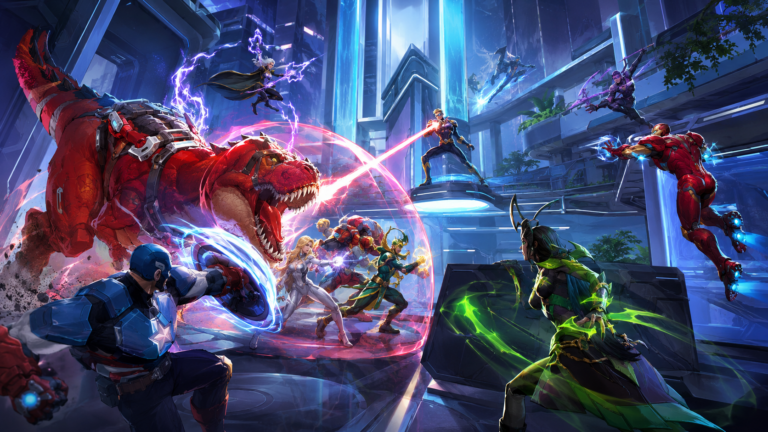
Marvel Rivals moves at a ridiculous pace once you start paying attention to the ranked grind. One week everybody is testing Ultron comps, the next week people are already debating whether Strategists are too strong again. The game stays active because NetEase keeps feeding players fresh reasons to come back. New heroes arrive, cosmetics rotate through the store, battle passes refresh, and every update starts another round of tier-list arguments.
That constant churn keeps the wider community active long after players stop queueing matches for the night. Tier lists pull huge traffic because players want to know whether their main still works in ranked. Role rankings are updated constantly and rankings break heroes down across multiple skill brackets. The competitive scene changes fast enough that people keep checking back.
Marvel Rivals also still pulls serious numbers. SteamDB recorded an all-time concurrent peak of 644,269 players during January 2025, while regular daily activity still sits comfortably above 60,000 concurrent users on Steam alone. Games do not hold those numbers unless players feel there is always another unlock, another rank push, or another reason to stay engaged.
Competitive Gaming Culture Does Not Really Switch Off
Gaming communities hardly ever stay focused on one thing anymore. Ranked matches bleed into Twitch discussions, Discord arguments, hero guides, patch-note breakdowns, and creator videos dissecting the latest meta changes. Marvel Rivals players spend a surprising amount of time talking about the game compared to actually sitting inside a match.
That behaviour shows up everywhere around live-service gaming. Tier-list sites track hero win rates daily. Creator videos discussing Strategist rankings regularly pull tens of thousands of views because players want every small competitive advantage they can find. Even matchmaking debates became part of the entertainment cycle after players started arguing about engagement-based systems inside Marvel Rivals ranked play.
Games like this succeed because they give players a steady stream of rewards and discussion points. New skins help. Ranked progression helps more. Community debate probably helps most of all because players keep returning to see whether the meta changed again while they were offline.
Live-Service Games Depend on Retention More Than Raw Downloads
Big multiplayer games care deeply about retention because active communities keep ecosystems alive. A huge launch means very little if players disappear three weeks later. Publishers track recurring engagement obsessively because returning players buy skins, participate in events, and keep communities active around new updates.
Deloitte’s player retention analysis focuses heavily on long-term engagement and player lifetime value, especially inside modern live-service ecosystems. Marvel Rivals already shows those patterns clearly. SteamCharts still recorded average monthly player numbers above 70,000 during April 2026, months after the initial launch surge cooled down.
That consistency usually comes from rhythm. Players log in because they expect something new waiting for them. Sometimes it is a balance patch. Sometimes it is a fresh cosmetic. Sometimes it is simple curiosity after hearing the community complain about another overpowered hero for three straight days.
Gaming Communities Follow Entertainment Wherever It Feels Active
Marvel Rivals players clearly enjoy the game itself, though the surrounding culture plays just as big a role now. People follow streamers, debate hero rankings, chase unlocks, and keep tabs on every new update because the community stays active almost nonstop. The game becomes part of a larger entertainment routine instead of a single thing people boot up for an hour.
That probably explains why reward-heavy digital platforms keep crossing paths with gaming culture. Players already understand progression systems and recurring engagement loops because modern multiplayer games trained them to think that way from the start.