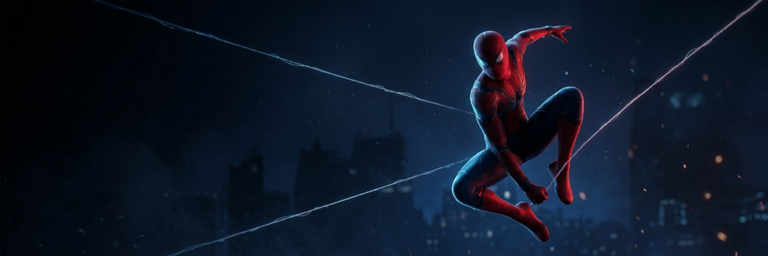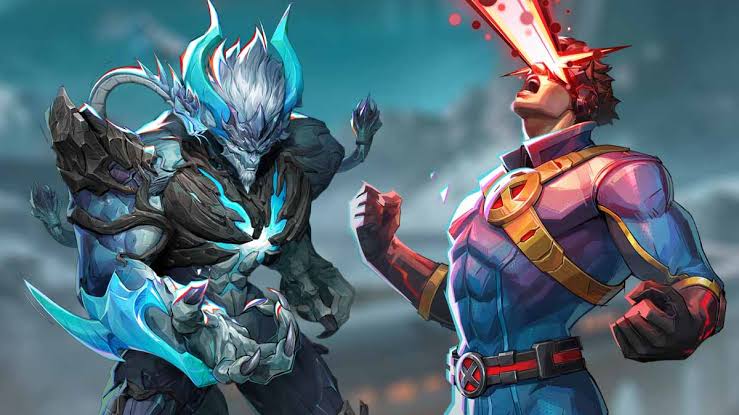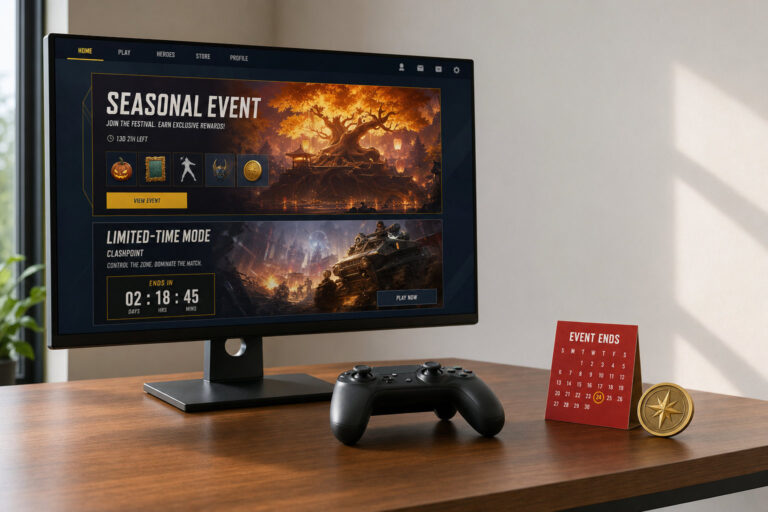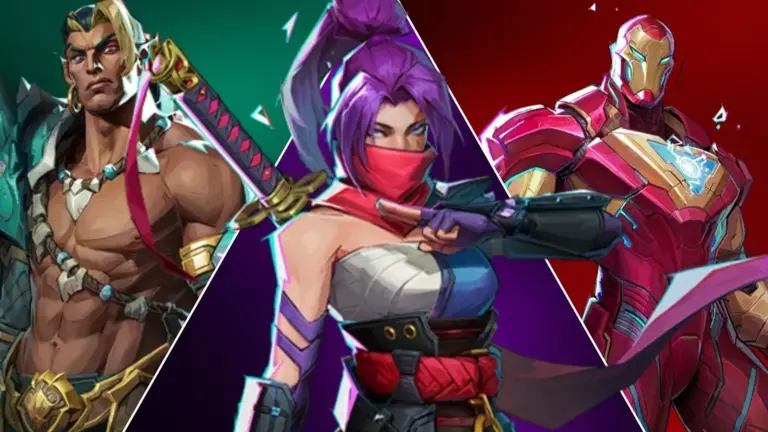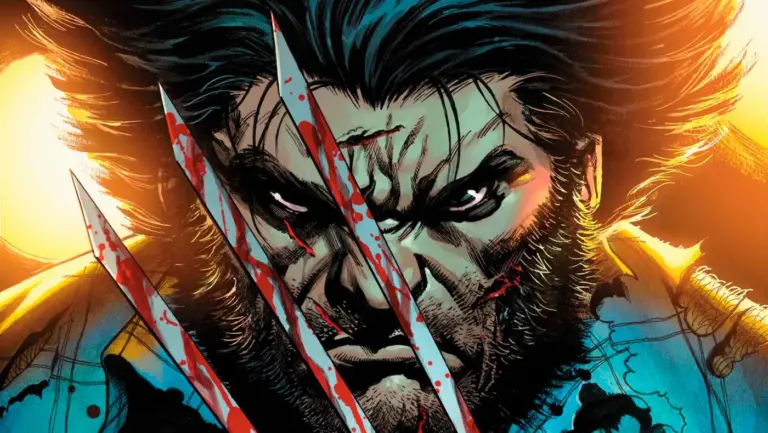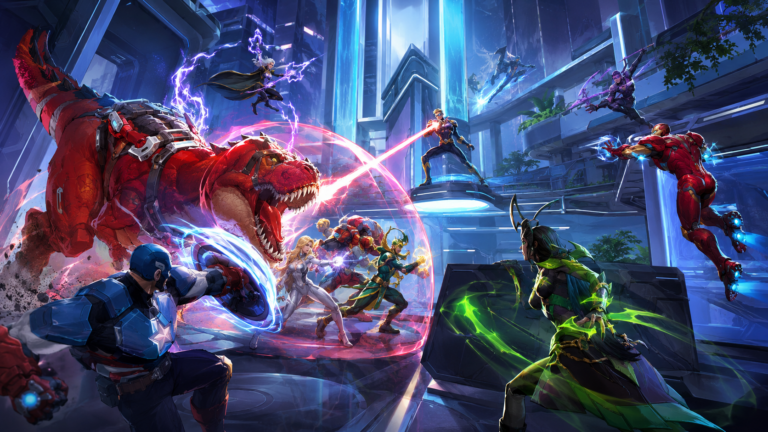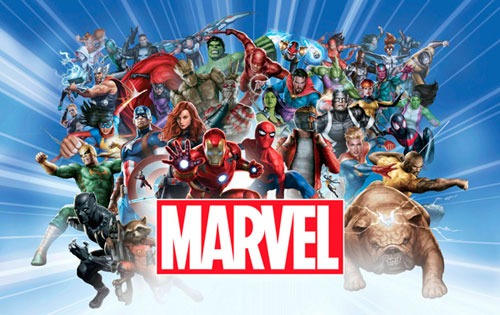
Marvel Rivals has never stood still. Since its global launch in December 2024, NetEase's 6v6 hero shooter has cycled through seasons at a pace that keeps even dedicated players on their toes. Short patch windows, new hero releases, and rapid balance adjustments mean the meta rarely settles long enough for a single dominant strategy to calcify.
That volatility is no accident. It has quietly reshaped how serious players approach the game — away from locking one comfort pick every match and toward maintaining a versatile pool of heroes that can answer whatever the enemy team throws at them. Adaptability has gone from a nice-to-have trait to a genuine competitive edge.
Why Rigid Mains Are Losing Ground
Specializing on one hero used to be a defensible strategy. Master the kit, internalize the positioning, and rely on mechanical edge to carry games. That formula works less reliably now. NetEase's frequent patches mean a hero that dominated last month can enter the next season significantly weakened, leaving one-trick players stranded without a viable fallback.
Shorter seasons compound the problem. When a season lasts only eight weeks, the data window informing balance decisions is compressed, making win-rate swings more dramatic. Players who invest everything in a single pick face genuine risk every time a patch drops, while those with broader hero knowledge simply rotate to whatever the current meta rewards and keep climbing.
Heroes Who Reward Adaptable Skill Sets
The heroes consistently sitting at the top of April 2026's high-rank leaderboards share one defining trait: they slot into multiple team compositions without needing the rest of the roster to be built around them. According to April 2026 tier-list data, Invisible Woman posted a 58.64% pick rate at the highest "One Above All" tier, while Magneto followed with a 54.94% pick rate and a 52.81% win rate — both heroes valued precisely because they adapt to brawl, poke, or dive compositions equally well.
Gambit, Rocket Raccoon, Doctor Strange, and Deadpool round out this flexible tier. Gambit's ability to cleanse, amplify damage, and provide clutch peel means he functions as a tempo support or protective tool depending on what the moment demands. Deadpool, introduced in Season 6, takes flexibility furthest of all: he can swap between Vanguard, Duelist, and Strategist roles mid-match by returning to spawn. This kind of design signals where NetEase wants the game to go.
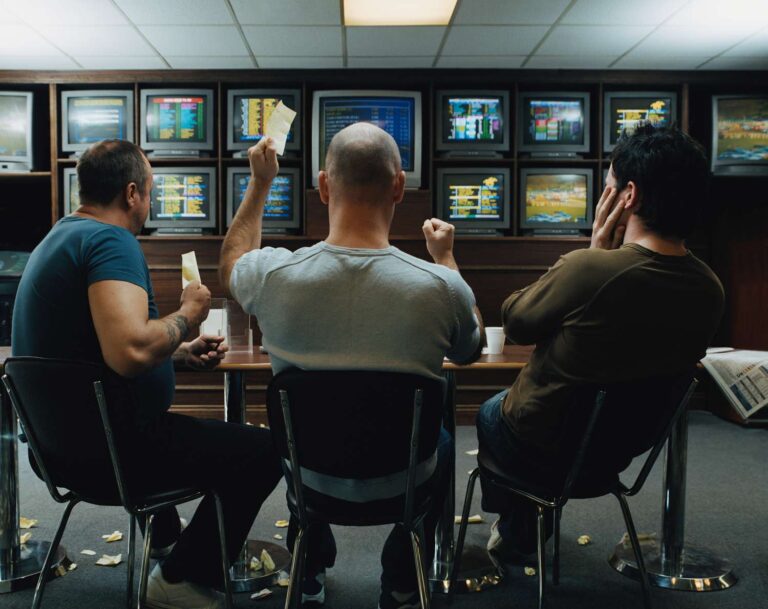
Competitive ecosystems across the board are moving in the same direction. Esports platforms have replaced rigid tournament brackets with open qualifier systems that let any player enter at their skill level rather than earn access through gatekept pathways. Sports betting platforms have shifted toward no KYC sports betting sites — with instant account access and no identity verification queues — because users expect the process to get out of the way of the experience. Marvel Rivals is building toward the same principle: systems that reward versatile decision-making over narrow mastery.
How Ranked Play Accelerates This Shift
Ranked mode is where flexible playstyles show their clearest advantages. In high-elo lobbies, enemies draft with intention, target weak links in compositions, and exploit heroes that only function in one specific setup. A rigid one-trick becomes a liability the moment a skilled opponent bans or hard-counters their pick.
The competitive scene has noticed. An overview of Marvel Rivals esports highlights that the game's ranked and organized-play scenes quickly coalesced around hero swapping, synergistic compositions, and role flexibility rather than raw mechanical dominance on a single pick. Teams that cycle heroes based on map geometry, enemy ult rotations, and choke-point control consistently outperform those relying on static comfort picks from draft to finish.
What Flexible Meta Means for Future Patches
NetEase's design direction appears deliberate. Deadpool's mid-match role-swapping mechanic was described at launch as unprecedented for Marvel Rivals, and it clearly sets a template for future hero design. If upcoming releases continue blurring role boundaries — mixing tank durability with support utility or duelist damage with displacement tools — the meta will increasingly punish specialists who cannot pivot.
Analysis of Season 8's evolving meta suggests that current balance decisions are already favoring heroes with broad utility, reinforcing the expectation that flexibility will define competitive viability across future seasons rather than representing a temporary patch-cycle trend. For players serious about climbing, the clearest path forward involves deepening knowledge across multiple heroes within a role, then extending that pool across roles entirely. The days of a single-hero identity carrying a ranked career appear to be fading — and the game's own structure is actively accelerating that change.