
Making its mark
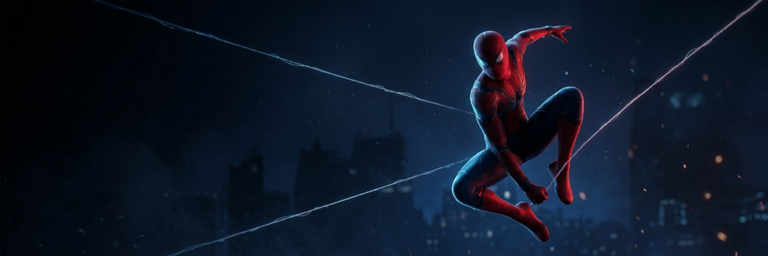
Marvel Rivals has always stood out head and shoulders above the crowd. Since its launch in 2024, it has rapidly become one of the most-played games in major markets. It did not make a quiet entry (and, given the status of the franchise, this is hardly surprising). The Marvel film studio's films have grossed more than US$30 billion worldwide, and the games were never going to be also-rans. After launch, the game carved out a solid slot across all major platforms and trailed only industry powerhouses like Fortnite and Call of Duty. Given that those had dominated the gaming landscape for years, that was an impressive debut.
Different by design
While it might have started as an incredibly popular casual hero shooter, it has always had the potential (and intention) to be so much more. From the moment it launched, pundits were talking about its potential as an esports title and were discussing potential challenges it might face (mostly concerning the viewer experience).
However, the groundwork was being laid from almost the moment it was released, when the publisher hosted a trial series of open regional tournaments – Marvel's Rivals Championships Season 0. Ever since then, Marvel Rivals has been accelerating the growth of its competitive ecosystem with structured in-client tournament features and a multi-million-dollar pro league rollout. The gauntlet has well and truly been thrown down!
Gen X crossover
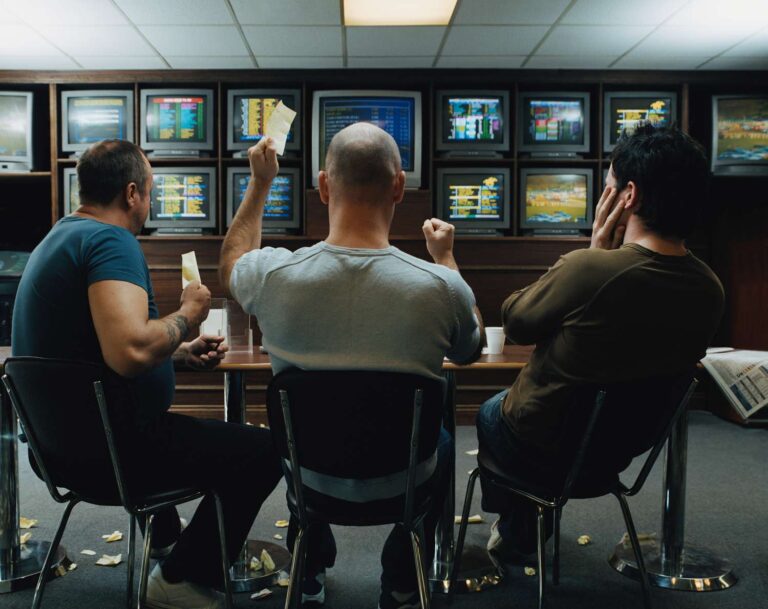
Wherever there are esports, people are participating, watching, and often gambling on the outcome. The crossover of tech-savvy Gen Xers who enjoy playing video games and like to place a bet on the outcome of a game is remarkably high. Whatever the subject or title tournaments are popular and players (whether just for fun or as part of an elite team) love to climb a leaderboard. Online casino review company Casino.org features all kinds of tournaments and reports that they are incredibly popular. Players compete for the top ranking and can also earn prizes and perks. Whether in igaming, online gaming, or esports, it is an industry-wide trend.
In-built success
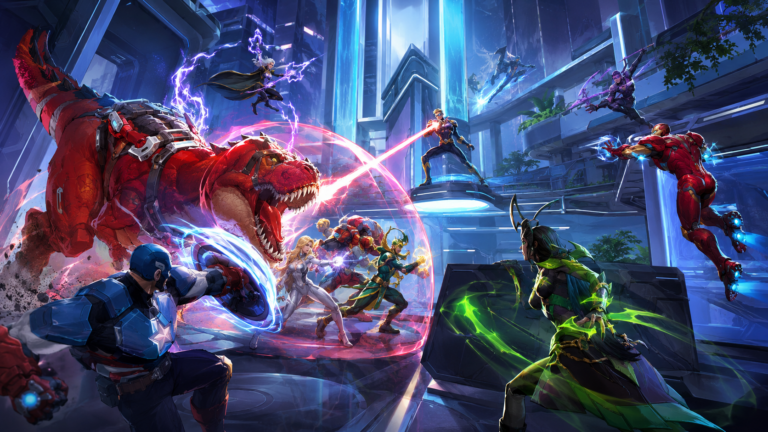
Marvel Rivals is tapping into a winning format and has built the ecosystem into the game's design. This is unusual (but not unexpected), as most games wait years before being competitive-play-ready. However, none of this detracts from the game, which can be played purely for fun and features all the best heroes ever created. The game is being shaped around broadcast-friendly modes, including 6v6 maps and predictable pacing. While this makes it fun as a player, it also allows anyone broadcasting the play to explain the action and follow team fights. Tournaments are built into the game's architecture, and teams can develop strategies that are easy to market.
However, the format is not prescriptive, and NetEase is relying on streamers, personalities, and Marvel influencers to build the hype. The infrastructure was already there, and the game is just 'leaning in'. Fans learn from personalities they already trust, and the game has cultural momentum outside the usual esports channels. Marvel's Rivals could possibly be the game title that really breaks esports front and center of mainstream entertainment, thanks to Marvel's legacy branding and narratives, and relevant, popular content creators.
Well-known characters
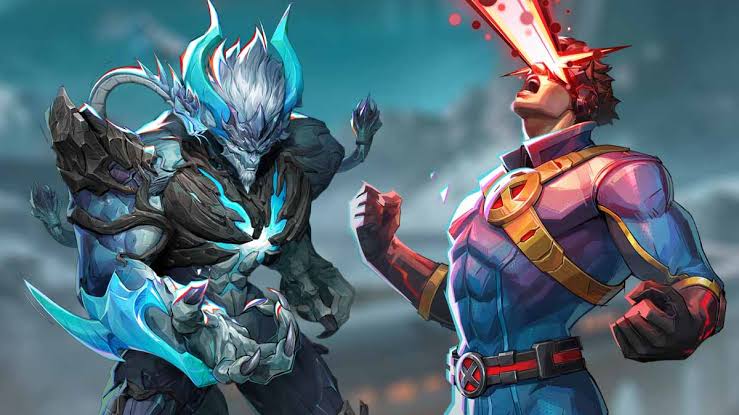
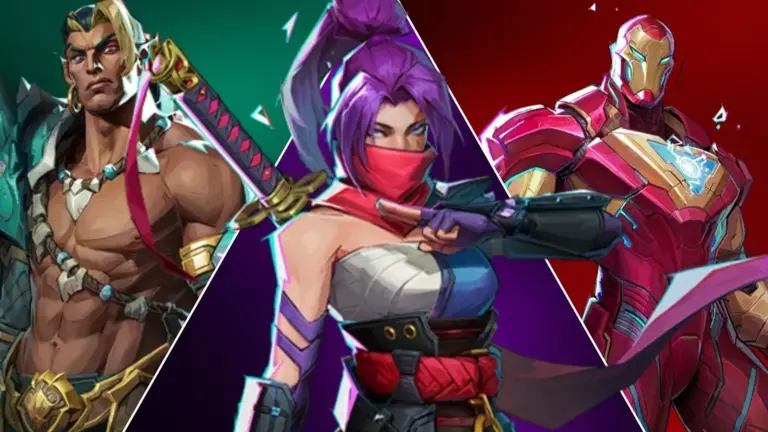
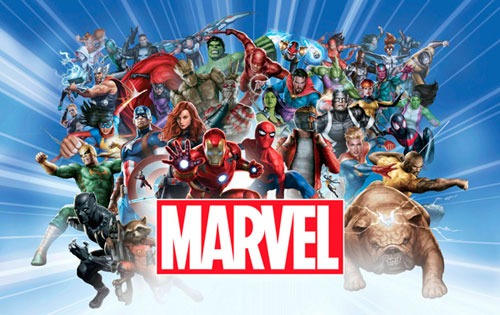
Marvel's characters are instantly recognizable and known outside of gaming and even outside of movies. Many of the characters' backstories exist in comic book format and are known and loved by generations of fans. While the characters' powers might sometimes be regarded as simplistic, this can be a massive advantage when trying to cut through the noise. With easy-to-understand roles, a major barrier in esports is solved.
You do not need to be a gamer to know what is going on. The game is broadcast-friendly, as people understand that Loke is a trickster, Hulk and Thor possess incredible physical strength, and Wolverine can track scents over long distances. You do not need to have telepathic or telekinetic powers to know that Jean Grey and Professor X can read minds or move objects with their thoughts. These are established narratives, not game- or tournament-specific.
Overcoming issues
Not everything has been straightforward for NetEase, and there has been a good deal of early patching to address damage spikes, role balance, and competitive viability. As something like this had not been done before, there was probably quite a bit of learning on the go. However, the pace is hotting up, not slowing down in any way. The game has multi-region servers, region-specific tournaments, and localized creator events, meaning parallel competitive ecosystems are emerging. While this could appear to be happenstance, it is actually engineered into the architecture of the game's world. It was never meant to be constrained to one region or timeline.
While many esports grow from the outside in, Marvel Rivals was designed to be an esport and was just waiting to be 'discovered' and promoted by the right people who have influence in the esports world (or worlds). It is a great esports title because it has all the components that are necessary for a great hero-shooter competitive game (which other titles do not have). There is clarity for the spectator, an in-built competitive structure, and long-term stability. The game has been conceived and launched broadcast ready, team friendly and with enough strategic depth to maintain interest.
Infinite possibilities
Just as the Marvel Universe is an infinite place with endless possibilities, so too is the game. Most hero shooters fail because the viewer does not know what is happening. With Marvel Rivals, there is built-in visual literacy, and the viewers understand what is going on. They do not need to be players to feel immersed and participative. In fact, most non-gamers have previously only experienced the Marvel Universe as a spectator. They do not expect to have control of the characters, just to enjoy the ride.
While it is early days, the game's impact cannot be understated. There is ample complexity for the pros, enough simplicity for viewers, and bags of flexibility for content creators and broadcasters. Spectators are fully immersed without being overwhelmed.
Then, of course, there is the heft of the publisher. NetEase is building the infrastructure and not waiting for it to be created. From seasonal championships and regional circuits to creator-driven competitor events, the open ecosystem provides structure without rigidity. Paraphrasing Captain Marvel himself, the developers have chosen to run towards their problems and not away from them!