
Table of Contents
There is a version of Marvel's most famous characters that only exists because of Japan. Not the blockbuster versions, not the trading card versions, but the quieter, sharper ones shaped by artists and writers who understood that a figure mid-strike, holding still, can say more than a full page of punches. That version of these characters has been seeping into games, animation, and comics for decades, and Marvel Rivals draws from it more than most people realise.
Japan Changed What Wolverine Could Be
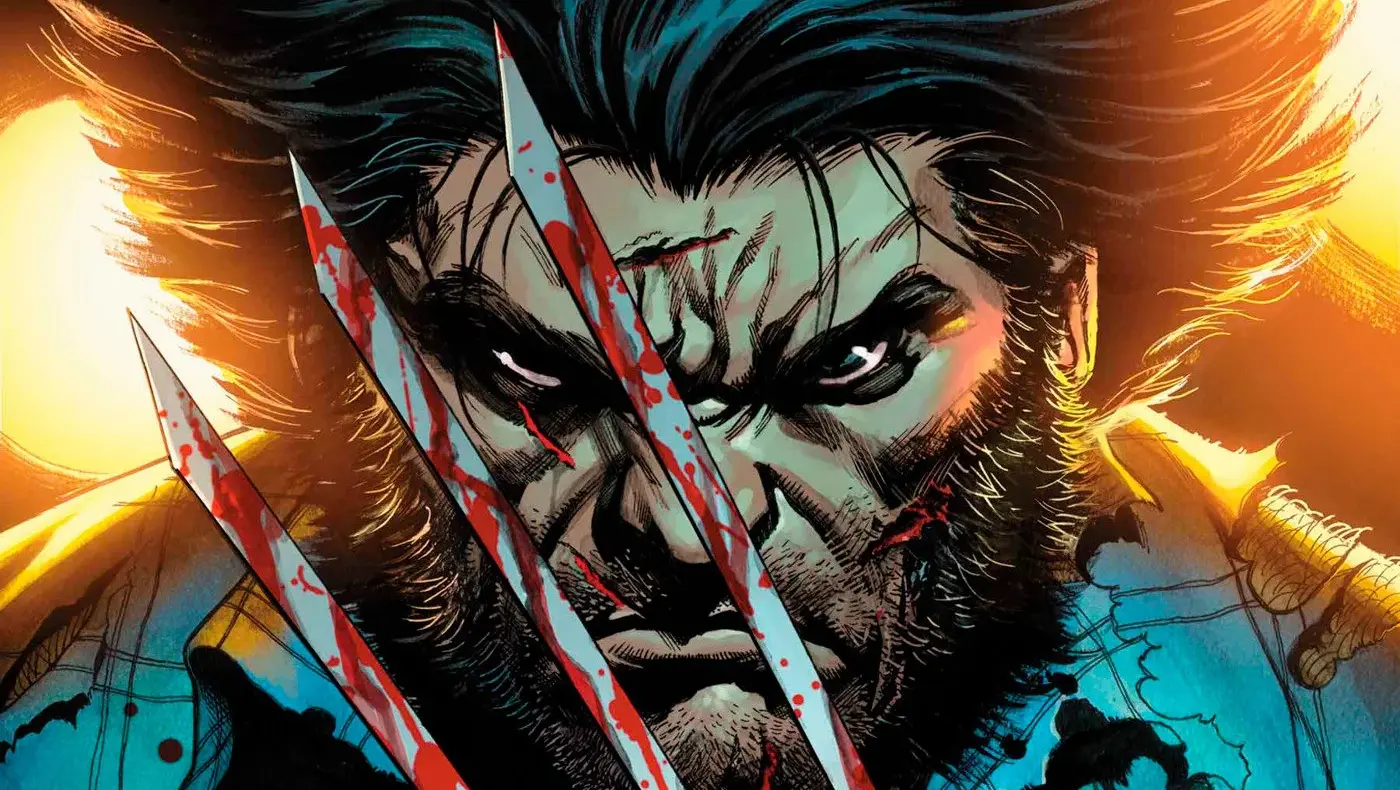
In 1982, Chris Claremont and Frank Miller produced a four-issue Wolverine limited series that sent Logan to Japan in pursuit of his love interest, Mariko Yashida. The story embedded him in yakuza politics, samurai codes of honor, and a culture where restraint carries more weight than rage. Miller was already absorbing manga composition at the time, and it showed in how he drew the book: held silences, characters shot from low angles, action that cuts rather than sprawls. The series is widely regarded as one of Marvel's best, and not because of the fight scenes. It worked because it gave Wolverine an interior life that matched his exterior violence.
According to the Wolverine comics Wikipedia entry, the 1982 limited series was only Marvel's second-ever limited series format, making it a structural experiment as much as a creative one. The decision to set it in Japan was not just cosmetic. It forced the character into a context where his usual approach, charging through everything, was coded as failure. Honor in that setting meant knowing when not to use the claws.
That tension became the foundation of everything Wolverine has been since. The Japan arc established that he was not simply feral; he was feral and disciplined at the same time, and the friction between those two things was where the character lived. No subsequent writer has been able to ignore that, and no adaptation has fully walked away from it.
How Manga Composition Rewired Marvel's Visual Language
Manga approaches a character's body differently than Western comics did in the 1970s and early 1980s. Western superhero art at that time was often anatomically maximalist, every muscle group defined, poses designed to emphasise mass. Manga, by contrast, cared more about the line of movement, the weight of a gesture, what a character's posture communicated before any action started. Miller brought those instincts into his Marvel work, and other artists followed.
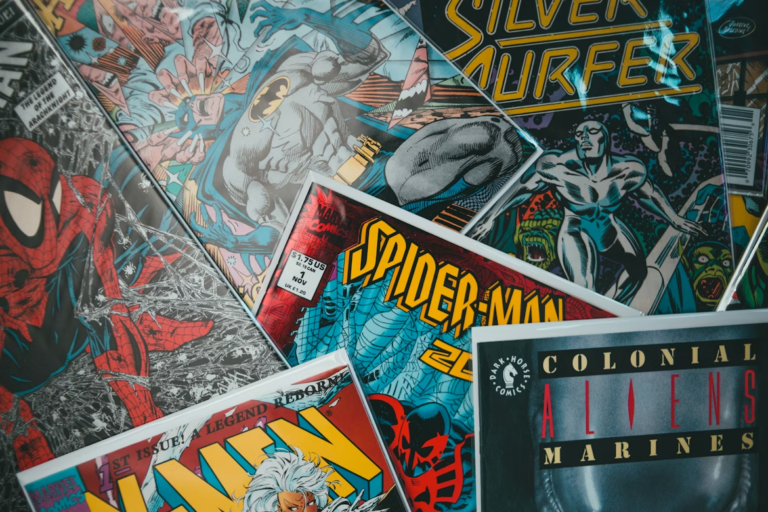
The results filtered through the entire industry. Characters like Storm, whose visual identity depends on silhouette and a certain untouchable stillness, became far more legible on the page once artists started thinking about held poses rather than kinetic sprawl. Psylocke's reinvention in the late 1980s leaned even more explicitly into manga aesthetics, and the reception was significant enough that the direction stuck for years. By the time Marvel co-produced its anime anthology with Studio Madhouse between 2010 and 2011, covering Iron Man, Wolverine, X-Men, and Blade, the exchange was no longer one-directional. The manga influence on Marvel had grown substantial enough that Japanese animators were essentially reverse-engineering it back through a different medium.
Free Rewards and the Loyalty Loop That Gaming Borrowed from Anime
Anime built a culture of patient engagement long before gaming formalized it. Seasonal release schedules, incremental reveals, exclusive content tied to watching or attending, the whole ecosystem trained audiences to stay close to a property and be rewarded for doing so. Gaming absorbed that logic almost wholesale, and nowhere is it more visible than in the way modern games handle free rewards for consistent players.
Social casino platforms have applied the same principle. Services that offer free SC coins to new users are leaning on exactly the same mechanic: lower the barrier to entry, let people experience the format, then build a relationship from there. Whether it is Twitch Drop skins in a hero shooter or complimentary coins in a social casino, the logic is borrowed from the same source, show the experience first, and trust the product to do the rest.
It is worth noting that anime fandom pioneered this engagement model before it had a name. Fan clubs that offered exclusive print content, theatrical screenings with giveaways, limited edition merchandise tied to broadcast windows. The reward loop is older than the internet, and gaming just gave it better infrastructure.
Wolverine in Marvel Rivals and the Debt It Owes
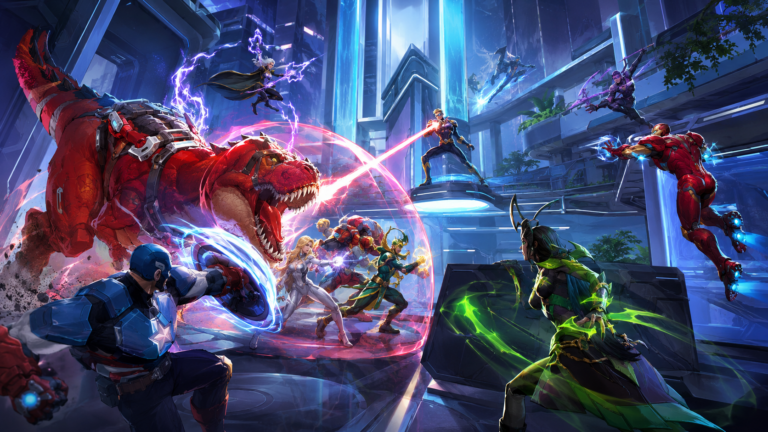
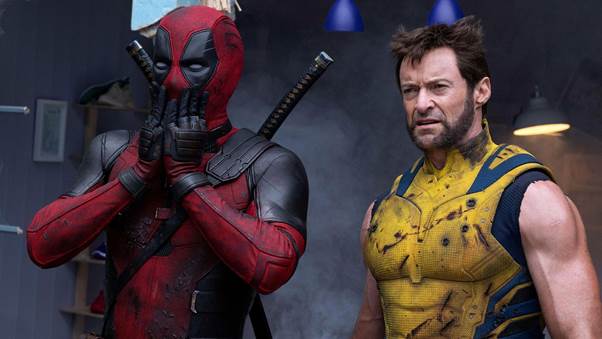
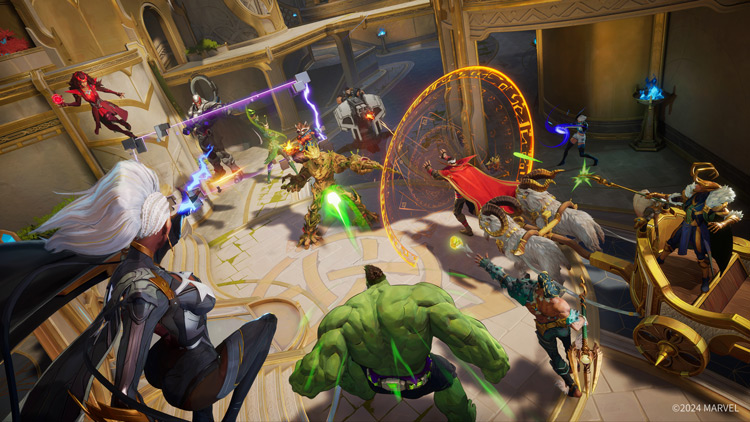
Wolverine in Marvel Rivals is built around a version of the character that the 1982 Claremont-Miller series made possible. His kit is not about raw volume of damage; it is about precision targeting and isolation. He hunts tanks. He drags them away from their team. He is, mechanically, a character who wins by knowing when and where to strike, not by overwhelming everything in front of him. That is the Japan arc's Wolverine running on a game engine.
His percentage-based damage means he gets stronger the healthier the target, which is an unusual design choice and a thematically coherent one. Logan in the 1982 series was most dangerous not when he was cornered and berserk but when he was calm and purposeful. The game captures that. If you want to understand why his kit rewards patience over aggression, the Wolverine hero guide breaks down exactly how the rage mechanic works and why building it correctly matters more than diving early.
The manga tradition gave Marvel characters depth that the early American superhero formula was not built to hold. The Japan arc gave Wolverine an interiority. Madhouse's anime gave the X-Men a visual register that matched their emotional weight. And Marvel Rivals, whether deliberately or by cultural osmosis, reflects both. The best hero shooters tend to be character studies at heart. This one is playing with material that has been in development since 1982.