Table of Contents
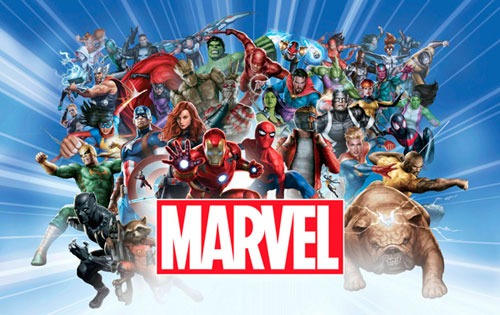
Marvel has not just told superhero stories; it has built one of the most immersive entertainment ecosystems in the world. By interlinking the films, series, comics, and games into a single narrative, Marvel invites fans to participate in an experience that is larger than any individual character or title.
The interconnectedness of the design creates a sense of loyalty, emotional connection, and belonging that causes audiences to continually return year after year. To understand how Marvel achieves such lasting engagement, it’s helpful to look at how other industries use structured strategies to keep their communities involved.
How Marvel Keeps Fans Coming Back for More
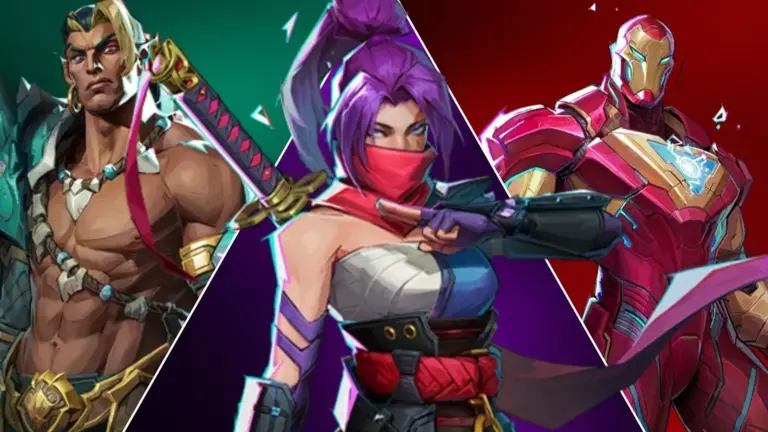
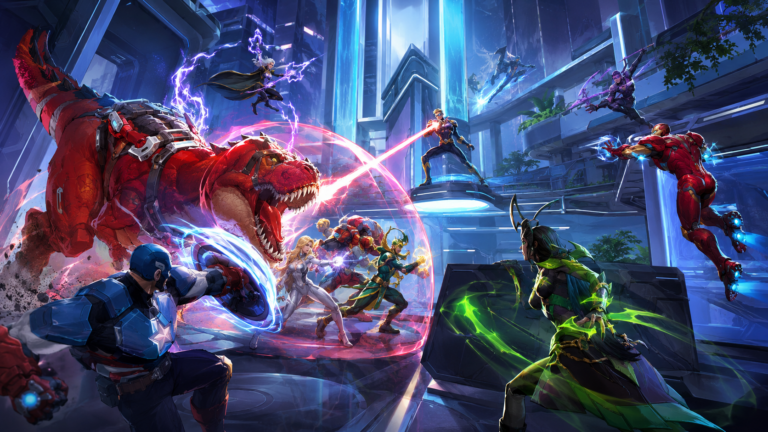
The core of Marvel’s engagement strategy is cross-platform narrative. A reader may begin with Iron Man, watch the Avengers films, WandaVision, the other Disney+ series, and then find new storylines in games like Marvel Snap. Each one uncovers aspects of the universe. This structure rewards deeper exploration, converting casual viewership into fandom and eventually long-term followers.
This is similar to loyalty programs in other industries. For instance, eCommerce sites may offer points that add up for discounts on future purchases. Meanwhile, online casinos keep users participating by offering bonuses, cashback, and levels of loyalty. Players sometimes experiment with alternative strategies to claim bonuses as a way to maximize fun and extend value. The fact that rewards are tied to long-term dedication means that people remain involved much longer than at the initial stage.
Instead of transactional rewards, Marvel offers narrative rewards. Dedicated fans are paid back with hidden Easter eggs, post-credit teasers, and crossovers that only make sense if you’ve followed the broader story. These “loyalty rewards” are emotional and story-driven, and they are what make the Marvel Universe feel alive.
The Power of Interactive Engagement
Marvel participation goes beyond the screen. Disney excels at interactive participation, at making fans feel that they have agency within the Disney universe. Team Cap vs Team Iron Man social media campaigns transformed the marketing of the films into a worldwide debate, teaser clips and hints provided fodder for speculation on Facebook and Twitter for hours at a time.
This interactive model is consistent with more industry general observations. A recent study notes that interactivity is one of the most powerful sources of audience immersion and that gaming and short-form platforms are changing how fans interact. Marvel leverages this trend by turning passive watchers into participants. Even something as simple as official character Twitter accounts opens up a discourse in which fans feel like they are talking to their heroes.
Fandom, Assemble
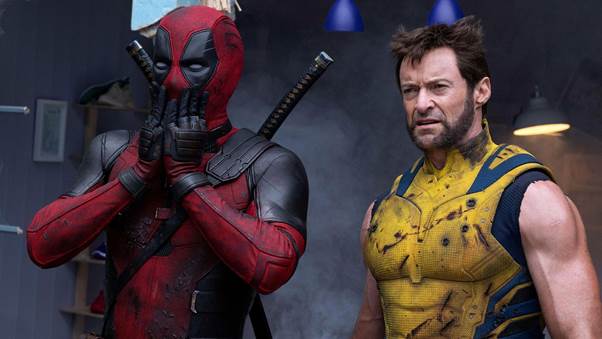
Community-building is perhaps Marvel’s greatest superpower. Fans do not merely engage with these stories but rather generate art, fan artifacts such as cosplay and fan fiction, and theories that spread the universe well beyond what is on screen. Comic-Con appearances, Marvel Fanfare, and live virtual Q&As with cast members all serve to ritualize fandom experience as communal activities.
Audiences are highly fragmented, splitting entertainment time between streaming, social media, and gaming. This atmosphere makes maintaining fan loyalty a greater challenge than simply releasing more content, that challenge being the provision of rewarding and interactive experiences. Marvel excels at this, creating an ecosystem of fandom that easily rivals any other franchise on the planet.
Conventions such as Comic-Con have transformed into destination cultural events wherein Marvel fans not only attend to view, but to participate in the fandom collective “What’s Next” celebration. Studies also show that collective anticipation of a narrative, such as for the worldwide release of Avengers: Endgame, increases affection because fans feel they belong to something greater than themselves.
Heroes, Heartbreaks, and High Stakes
Loyalty, then, is not just about the interactivity or community, but also about emotional resonance. Fans wept at Iron Man’s sacrifice, rejoiced in the cultural power of Black Panther, and argued with passion over the stakes of the multiverse. These moments serve as a touchstone for fans’ investment in the franchise, fostering loyalty and attachment that extends well past the screen.
Character-based emotional engagement creates a strong investment on the part of the audience. Emotional connections between brands and consumers result in greater loyalty and spending. In Marvel’s case, these emotional hooks are intensified by fan creativity, in the form of artwork, supporting relationships in fans’ theory pairings, and merchandise. Billions of dollars’ worth of annual expenditures on superhero fan merchandise demonstrate the way that emotional connections result in long-term investment.
Marvel is highly effective at emotionally rewarding its fans, much like people become invested in traditional reward systems. The difference is that Marvel’s ‘bonuses’ aren’t transactional; they come in the form of connections, story pay-offs, and meaningful moments that fans carry into their personal lives.
Beyond the Screen
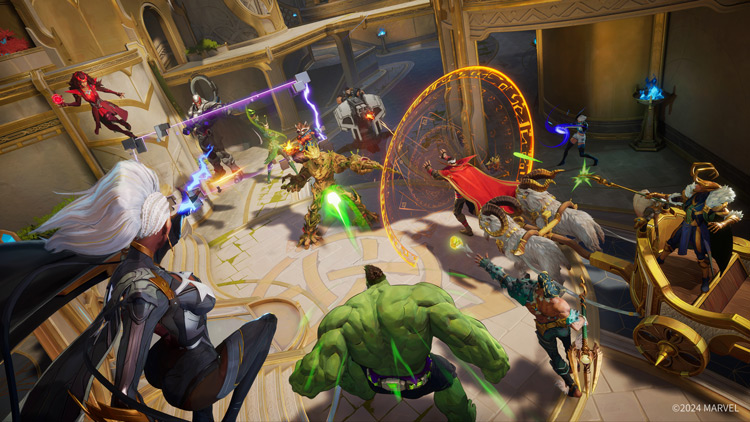
Finally, Marvel sustains engagement by embracing new formats that keep the universe fresh. TikTok shorts, Instagram reels, and mobile games like Marvel Snap bring in younger demographics and ensure Marvel remains relevant across generations.
In a review of Marvel Snap, the game’s design taps into nostalgia while providing a fresh, accessible experience that keeps fans connected to the universe between major film or TV releases. This strategy ensures that Marvel never loses momentum; there’s always a new entry point for audiences, whether they’re long-time fans or newcomers.