Table of Contents
Skill gets you ahead, but it never seals the deal. The best games leave just enough room for things to go sideways, which is exactly what keeps every match worth playing.
Most fights feel like they’re under control right up until they’re not. One clean play, one missed ability, and the whole thing flips on its head. That’s part of the appeal. Skill carries you most of the way, but there’s always just enough chaos in the mix to keep things from feeling solved.
Skill Sets the Ceiling, Not the Outcome
Good players win more often. That part is obvious once you spend a bit of time in competitive matches. Positioning, timing, and decision-making all stack in your favour when you know what you’re doing, but the result is never guaranteed, and that’s the key difference.
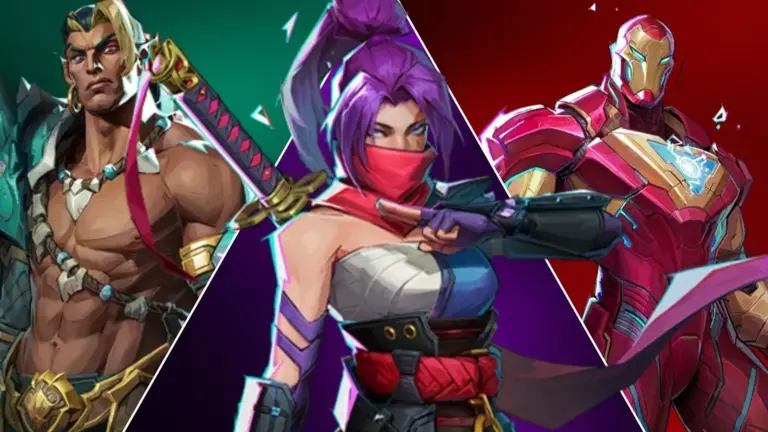
Take the way Duelists are ranked across skill brackets. A character that dominates at higher ranks can feel average in lower tiers because execution changes everything. The same kit, the same abilities, yet completely different outcomes depending on who is using them. That gap is laid out pretty clearly in competitive rankings where performance isn’t tied to the character alone but to how well players can actually use them.
Skill sets the ceiling, but it doesn’t lock in the result. A strong player gives themselves better odds, not certainty.
Designers Build in Uncertainty on Purpose
Games don’t lean on randomness by accident. It’s built in, but usually in ways that feel natural rather than obvious. Cooldowns overlap, abilities clash and team fights get messy fast. That’s where things start to feel unpredictable without ever becoming pure chance.
Some characters lean into that more than others. Mechanics built around misdirection, delayed damage, or positioning tricks can create moments where opponents have to guess rather than react cleanly. That kind of design shows up in The Hood, where abilities play around perception as much as raw output.
Nothing there is actually random. Every interaction has rules behind it. It just doesn’t feel that way in the middle of a fight, and that feeling is doing a lot of work to keep matches interesting.
Skill and Chance Can Be Measured
This balance isn’t just a vague idea. There are ways to measure it, and the numbers make the point pretty quickly. One model places games on a scale from -1 to +1, where -1 is pure chance and +1 is pure skill. A coin toss sits at -1. Chess lands at +1. Most games fall somewhere in between.
Poker is a useful example. It comes in at roughly 0.33 on that scale, which means skill has a clear edge, but chance still plays a role in each hand. Over a large number of games, better players win more often, but in the short term, results can swing either way. That framework is laid out in detail in the Skill–Luck Index model.
That middle ground is where most modern games sit. Enough structure for skill to show up, enough variation to stop outcomes from feeling locked in.
Where Chance Takes Over Completely
At the far end of the spectrum, skill drops out almost entirely. Once an action is taken, the outcome is out of your hands. That’s the space where slot games live, built around random number generators rather than player input.
For Irish players, the most popular type of game in online casinos is slot machines, explains Ian Zerafa at Casino.org, where results are driven by fixed probability systems rather than decisions made during play. The appeal is simple. There’s no learning curve, no pressure to improve, and no need to track anything beyond the spin itself.
That doesn’t make it worse design. It just sits at the opposite end of the scale. The outcome is entirely determined by the system, not the player.
Players Still Want Both Sides of the Coin
Pure skill can wear you down. Pure chance wears thin for a different reason. Most players land somewhere in the middle, even if they never think about it directly.
A match feels better when a good play turns things around, but it still needs that bit of uncertainty to stay interesting. Take that away, and everything becomes predictable. Lean too far into randomness, and nothing feels earned.
That tension is part of the design. Systems built around probability are there to keep outcomes from feeling fixed, giving each round a bit of edge without losing structure.
That balance is what keeps players coming back.
Balance Is a Design Choice, Not an Accident
None of this happens by chance. Systems are tuned, adjusted, and tested until they land in a space that feels right. Too much emphasis on skill and the game starts pushing players away. Too much randomness and it stops rewarding effort.
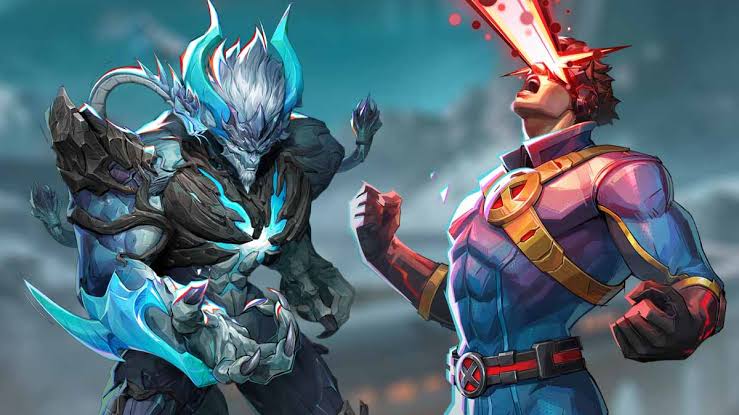
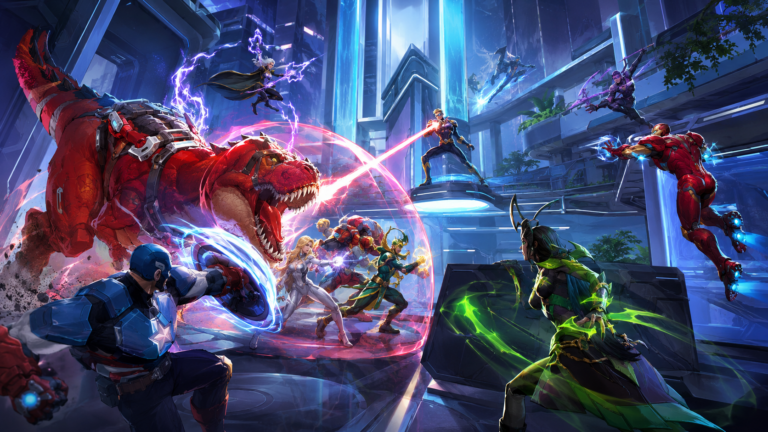
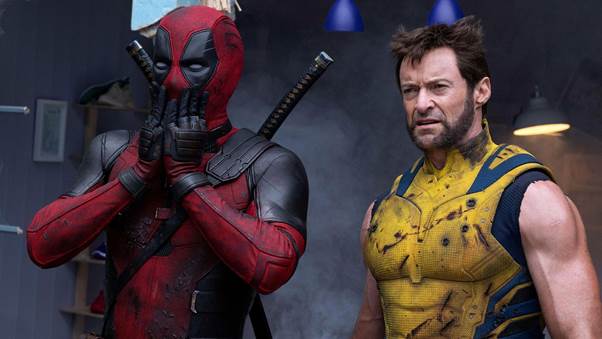
Marvel Rivals sits in that middle space. Skill gives you an edge, but it never guarantees the result. That small gap between what should happen and what actually happens is where most of the fun sits, and it’s the reason matches still feel worth playing even when things don’t go your way.