

Table of Contents
Marvel Rivals continues to carve out a distinct place in competitive third-person action gaming, and much of its momentum comes from how players now interact with digital entertainment ecosystems. Monetisation models influence not only what players unlock, but also how long they stay in matches and when they return. These systems are increasingly shaping competitive pacing and community expectations across the game.
Many players arrive with habits formed elsewhere in digital entertainment. Battle passes in other titles, streaming reward loops, and creator-driven ecosystems have normalised frequent check-ins and seasonal progression. That framework has carried over into Marvel Rivals, where players calibrate their time around rotation schedules and event bonuses to keep pace with their friends or rivals. Even gambling-adjacent spaces such as poker websites illustrate this, with players browsing the most popular rooms as part of a wider routine of digital leisure. These platforms encourage familiar rhythms: log in, check updates, chase rewards, then move on to the next activity. What makes them similar to Marvel Rivals is that players bring the mindset of crispy, strategic thinking, mixed with the often fast-paced rhythm of the game once it gets rolling.
But the mutual influence of other forms of digital entertainment and Marvel Rivals goes beyond that.
In-Game Currencies And Progression
Marvel Rivals’ economy leans into time-gated progression and low-friction currency top-ups, mirroring broader shifts across the industry. As competitive players try to keep pace with new skins and hero unlocks, they naturally engage more frequently. This aligns with 2025 findings showing that 58% of PC gamers’ spending goes toward microtransactions, according to data reported by CCN. That trend helps explain why players often treat premium currency as part of their routine competitive investment.
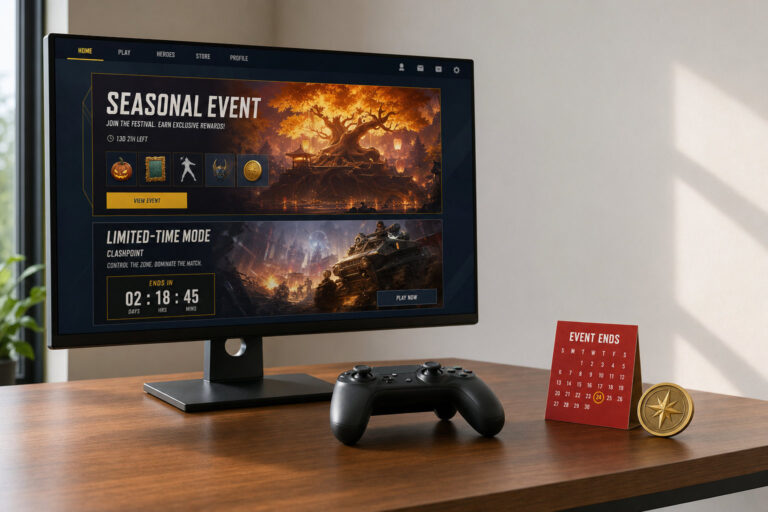
Progression systems also influence match-by-match urgency. Players attempting to finish a battle pass tier might push into modes they’d otherwise skip, shaping the meta around peak activity windows. Competitive participation has become intertwined with monetised progression, and many players now structure their session lengths around unlocking the next reward layer.
Streaming Rewards And Viewer Incentives
Streaming has become another pillar of engagement for Marvel Rivals. Favourable revenue splits on major platforms have encouraged more competitive players to convert ranked sessions into content opportunities. Hybrid monetisation models—subscriptions, tips, and cosmetic-driven viewer interactions—have made streaming feel less like an add-on and more like a parallel path for dedicated players.
Monetisation tools are evolving fast, and creators increasingly treat ranked highs and lows as shareable content currency. The global live-game streaming market’s expansion, highlighted by reports from USD Analytics, reinforces how these tools are reshaping player motivations. Many high-level competitors now balance practice time with streaming windows to maximise visibility as well as progression.
Third-Party Platforms And Player Habits
Digital economies extend well beyond in-game interfaces. Marvel Rivals players routinely jump between social hubs, wikis, coaching platforms, and community marketplaces. These third-party services have become part of a player’s training ecosystem, especially as the game leans into hero mastery and versatile team compositions.
Growth in platform-style game models offers additional context. Indie platform-centric creators recorded a 22% compound annual growth rate between 2018 and 2024, far outpacing AAA studios’ 8% performance, according to data from Bain & Company. That surge highlights how players are increasingly comfortable navigating ecosystems built around user-driven economies and direct-to-consumer experiences. Marvel Rivals’ community taps into that same expectation: dynamic content, player agency, and constant updates.
What Comes Next For Competitive Play
Digital entertainment economies will almost certainly continue shaping competitive habits in Marvel Rivals. Players have demonstrated a willingness to invest time into systems that reward consistency, and the game’s seasonal updates amplify those incentives. As battle passes, creator tools, and third-party services evolve, players may find that competitive preparation becomes as much about managing digital resources as mastering individual heroes.
For the Marvel Rivals community, the real takeaway lies in understanding how these systems influence everyday play. Competitive success is no longer just about mechanical skill—it’s tied to how players navigate the wider digital ecosystem that surrounds the game.