
Loot boxes may be contentious in some circles but in most, they’re just a lot of fun. The trend has been a powerful draw for many gamers. By introducing the elements of surprise and the thrill of the unknown, loot boxes add tons of excitement to games. With Marvel Rivals potentially gearing up to implement these mechanics, the gamer fraternity is somewhat split. Some feel that loot boxes are like gambling and should be classified as such. Others love them, while others just wonder why it can feel like hitting a jackpot when unearthing random rewards. Here’s a look at the psychology of loot boxes and how they work.
The Pull of the Unknown
If you’ve ever grown up a huge superhero or comic book geek, long before famous Marvel-style games were created, you’d know that the culture has always enjoyed loot-box style thrills. Back in the day, these were just in a different form. The thrill could come in many ways. For some, it was rummaging through comic bins for that special edition issue you’ve been after for years. For others, it was the jolt of excitement you got from opening a pack of 1994 Fleer Marvel Masterpiece trading cards by the iconic artists Tim and Greg Hildebrandt, hoping to find that one holographic card you needed to complete your set.
Despite the seemingly innocuous side of this type of psychology, for others, the thrill comes from playing gambling style games. At modern Inclave casinos, players now prioritize things like fast payments, a secure login, and a large gaming library. For them, the thrill of slot games has the same effect but amplified because the potential prize is actual money. With online casinos like these growing so popular, many argue that loot boxes are just another side of the same coin.
The truth is a little more nuanced. For one, Marvel-style games are heavily steeped in its own culture and one that relies heavily on collectible systems. Players might want Iron Man’s legendary armor or a rare variant of Scarlet Witch. These items are often locked behind loot boxes, which operate on chance. The player never knows exactly what they’ll get. That uncertainty is part of what keeps them coming back.
Psychologically, this taps into what's known as a variable ratio reward schedule. The reward comes at random, not after a fixed number of tries. This is the same system used in slot machines. The thrill can be similar to the one that slot games thrive on. However, many argue that loot boxes in Marvel games play more on nostalgia of being a comic book or trading card collector more than anything else.
Emotional Highs and Lows
Loot boxes bring emotional drama into a game. They’re not battles or based on iconic storylines, but they still stir feelings. The sound effects, the glow, the spin—all of it is designed to grab attention. When the box opens, there’s a delay. That pause before the reward appears creates tension. The longer the wait, the more intense the emotion.
Players often post these moments online. They share clips of big wins or heartbreaks. This feeds a social loop. People see the wins, feel the thrill, and want to try it for themselves. Even when they know it’s staged or rare, they feel drawn to take their own shot. The emotional impact is personal. One player might scream in joy at unlocking a new Black Panther skin. Another might feel cheated after ten failed tries. Yet both return.
Game designers know this. They build loot box systems to balance despair and delight. If rewards are too rare, people quit. If they’re too common, they lose their edge. The balance is delicate. In video games, it often takes the form of tiered items. Common rewards are plentiful. Rare ones sparkle in gold and feel unattainable. That gap creates desire.
Some games even play with sound and visuals. Rare items might have a dramatic sound cue or unique animation. This builds emotional weight. Getting a rare drop isn’t just about what you win. It’s about how the game presents it. You’re not just opening a box. You’re having a moment.
The Collector’s Drive
Behind the spinning wheel and flashing lights lies a deeper drive. Players want to complete sets. Marvel characters come in different costumes, versions, or eras. Getting them all becomes a mission. This taps into collecting behavior. People want to see full pages filled. They want to know they have everything.
Games make use of this by tracking collections. Progress bars, checklists, and achievements show what’s missing. This makes the urge stronger. If you only need two more items to finish a set, the temptation grows. The idea of an incomplete page nags at players. They go back for one more try.
There’s also a social side. Friends compare collections. They show off rare finds. Some even trade, where allowed. In these games, having a full roster isn’t just fun. It’s proof of dedication. Players don’t just want to win. They want to be seen as committed fans.
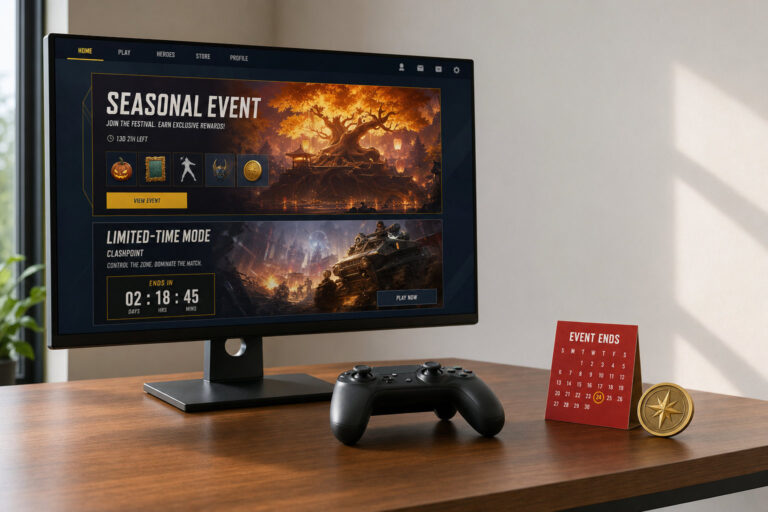
Limited-time events make this even more intense. A rare Spider-Man suit might only be available for a few days. If you miss it, it's gone. This scarcity drives urgency. Players log in every day, hoping for a chance. Missing out doesn’t just mean losing an item. It means breaking a collection.
Games use this cycle to fuel return visits. They know players care about more than winning battles. They care about what their character looks like, what gear they use, and how others see them. Loot boxes offer the promise of completion. They turn personal taste into a goal.