
Table of Contents
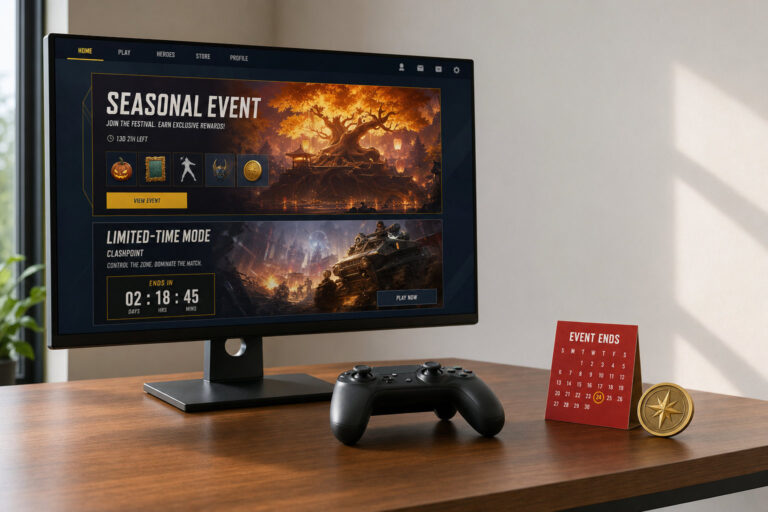
Marvel Rivals has not just been adding content over the past two weeks. It has been shaping a more deliberate rhythm around how players return to the game. The official April 2 patch notes brought in Lower Manhattan, new costumes and a fresh weekly beat to Season 7. At the same time, the IGNITE Preseason Twitch Drops announcement kept competitive viewing tied to free cosmetics and scheduled windows. Taken together, those updates make it harder to see Marvel Rivals as just a hero shooter that occasionally receives a patch. It is increasingly operating like a live event economy built around short returns, visible rewards and timed reasons to check back in.
The Calendar Is Becoming Part of the Game
That is especially clear when you line up the official drops with the site's own tracking of Season 7. MarvelRivals.gg's Season 7 roadmap lays out a steady release pattern: launch-day systems, March 27 events, April 3's Lower Manhattan update, April 10 cosmetics and the approach of Season 7.5 on April 17. That cadence matters because it teaches players to treat the calendar itself as content. Instead of logging in only for long sessions, they are being nudged into a pattern of recurring visits that feel small on their own but add up to a much stronger retention loop.
The IGNITE drops amplify that structure. As MarvelRivals.gg explains in its guide to the Gambit IGNITE Preseason Twitch Drops, watch-time rewards are now tied not only to ordinary streaming habits but also to specific competitive windows. That gives Marvel Rivals a double loop: players can log in to play, then stay connected through broadcasts, then return to the game again to collect and use what they have earned. The reward is not only the item itself. It is the feeling that the game is always about to offer one more reason to come back.
Short Sessions Still Need Momentum
What makes this effective is that Marvel Rivals does not rely on one giant event to keep attention. It stacks smaller hooks together. A map release, a costume drop, a Twitch campaign, a weekly roadmap beat and a coming mid-season shift all work better because they arrive close enough to each other to create momentum. For players, that makes the game easier to fit into an ordinary evening. There is always something current enough to check, but not so much that returning feels overwhelming.
That broader design logic shows up in other corners of online entertainment too. A page such as Spin Casino blackjack is built around a different genre, but it relies on some of the same behavioural strengths: repeatable sessions, clear pacing, recognisable rules and the sense that a short visit can still feel eventful. In online casino play, blackjack works because it offers fast rounds, immediate feedback and an easy point of re-entry whenever someone wants to dip back in for a few minutes rather than commit to a much longer session. Marvel Rivals is obviously doing that through matches, drops and seasonal content rather than cards, but the shared lesson is that modern online products often succeed by making return visits feel frictionless and worthwhile.
Lower Manhattan Lands Better Inside That Bigger Structure
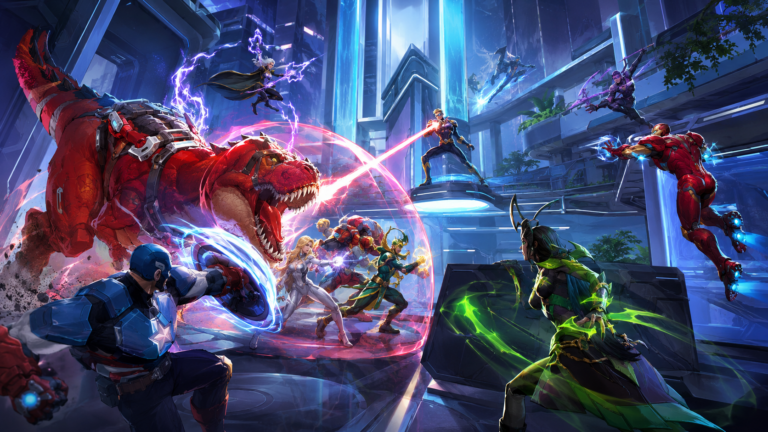
That is also why Lower Manhattan itself matters more in this framing than it would as a standalone map addition. On paper, it is one new Convergence battleground. In practice, it arrives as part of a wider cycle that keeps Season 7 feeling active. The map gives players something new to learn, the roadmap gives them a reason to watch the next date, and the Twitch campaign extends the habit even when they are not in a match. The individual pieces are familiar. The way they reinforce one another is what makes the current phase of Marvel Rivals feel more mature.
That maturity may end up being one of the game's biggest strengths this year. Plenty of live-service titles know how to launch a season. Fewer know how to keep the middle of that season feeling alive. Marvel Rivals is starting to show that it understands the value of steady event rhythm, and that is why its recent updates matter. The game is not only expanding what players can do. It is getting better at shaping when, why and how often they want to return.