
Table of Contents
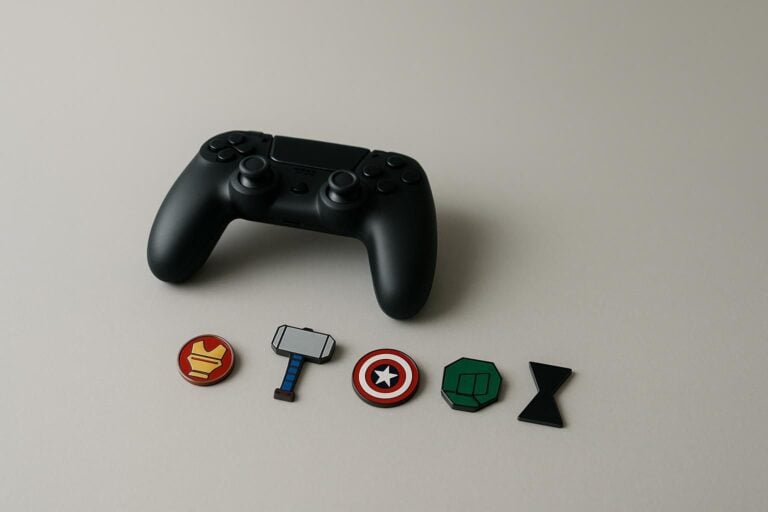
Marvel’s gaming journey began long before the Marvel Cinematic Universe reshaped popular culture. Decades before billion-dollar box office runs, Marvel heroes were already appearing in arcades, on cartridges and across a wide range of licensed tie-ins. Today, the brand’s approach is far more curated, built around strategic partnerships and high-quality releases that protect Marvel’s reputation and reach.
From Arcades to Home Consoles
The late 1980s and early 1990s saw Marvel characters become familiar faces in arcades. Konami’s X-Men arcade beat ‘em up and Capcom’s X-Men: Children of the Atom laid the groundwork for the legendary Marvel vs Capcom series, turning comic-book clashes into fighting-game showpieces.
Through the 1990s and early 200s, publishers such as Acclaim, Capcom and Activision released everything from side-scrolling brawlers to early 3D superhero adventures. Whether based on comics or films, these games helped establish Marvel’s heroes as natural fits for interactive storytelling, even if quality varied widely.
The Formation of Marvel Games and AAA Breakthroughs
A major shift came in 2009 with the formation of Marvel Games, a division created to directly oversee licensing and ensure greater consistency. Disney’s acquisition of Marvel that same year strengthened this direction, allowing the company to be more selective about which studios were trusted with its most recognisable characters.
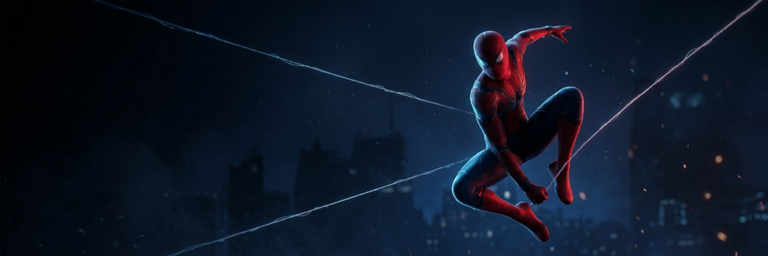
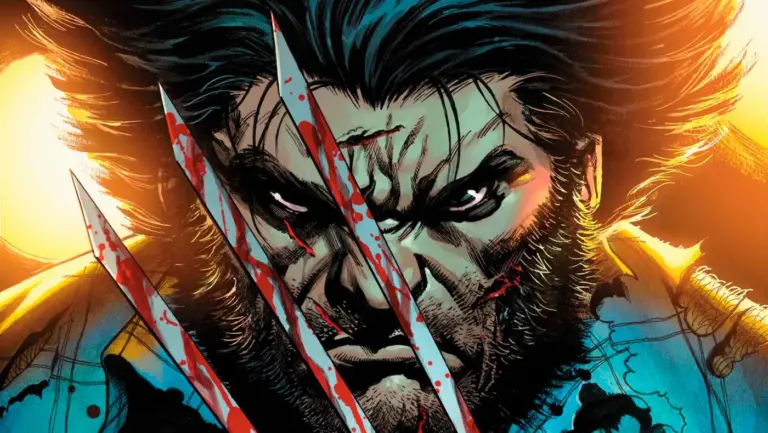
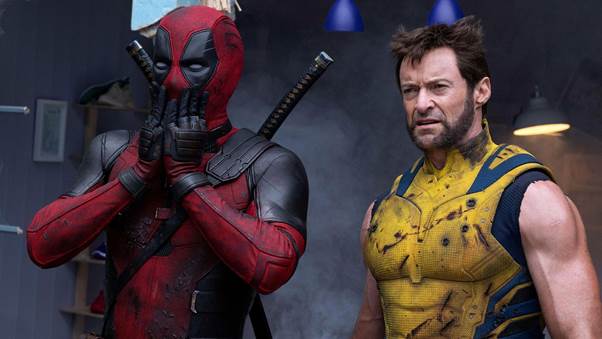
This strategy paid off in spectacular fashion with Insomniac Games’ partnership with Sony. Marvel’s Spider-Man (2018), Miles Morales (2020) and Spider-Man 2 (2023) redefined superhero gaming with open-world traversal, polished storytelling and faithful characterisation. Their success has set up the highly anticipated Marvel’s Wolverine, expected to deliver a darker tone while still benefiting from Marvel’s collaborative development approach.
Marvel’s Expanding Mobile Presence
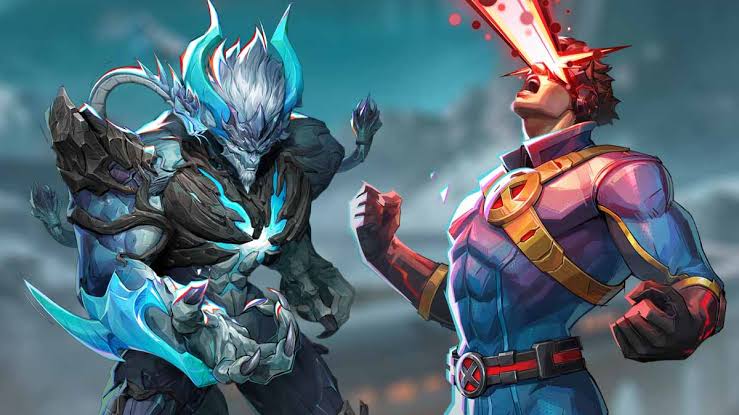
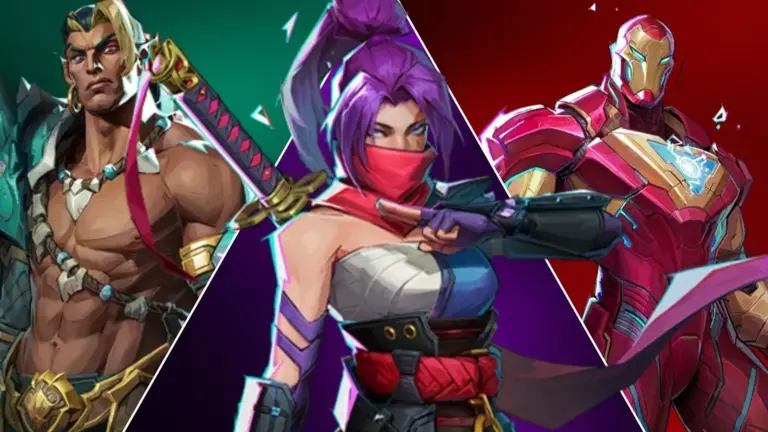
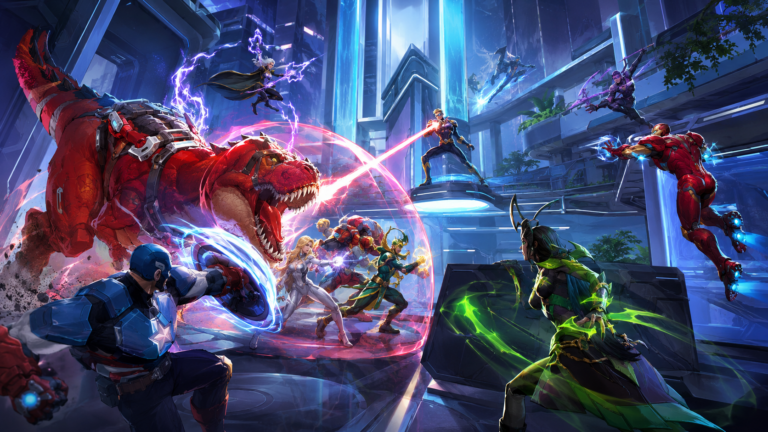
Mobile has become another pillar of Marvel’s gaming empire. Titles such as Marvel Contest of Champions, Marvel Future Fight, Marvel Strike Force, and Marvel Puzzle Quest have developed huge player communities thanks to frequent updates, character expansions and events aligned with Marvel storylines.
More recently, Marvel Snap has dominated the digital card-game space, earning acclaim for its fast gameplay, clever design and use of iconic characters and locations. The game’s strong reception highlights Marvel’s ability to thrive not just in blockbuster console titles but in mobile formats that reach millions of players worldwide.
Marvel’s Past with Online Slots
For several years, Marvel also licensed its characters to branded online slots games, most famously through Playtech’s Marvel jackpot series featuring heroes like Iron Man, Thor and Spider-Man. These slots were widely popular and remained active until the mid-2010s.
However, this era ended in March 2017 when Marvel’s licensing deal with Playtech expired. After Disney acquired Marvel, the company took a firm stance against linking its family-focused brands with gambling products. As a result, all Marvel-branded slots were removed, and Playtech replaced them with non-Marvel titles such as its Age of the Gods series.
Since then, Marvel has fully distanced itself from online casino branding, preferring to focus on mainstream console and mobile titles.
Conclusion
Going forward, Marvel’s gaming empire seems set to grow steadily rather than rapidly. Expect more major console partnerships, further investment in successful mobile live-service games and deeper cross-media storytelling that connects games more closely with films, TV and comics.
In short, Marvel’s gaming evolution reflects a brand that has learned from its past, refined its approach and now treats gaming as a core pillar of the overall experience, which fans of the brand are enjoying.