
Table of Contents
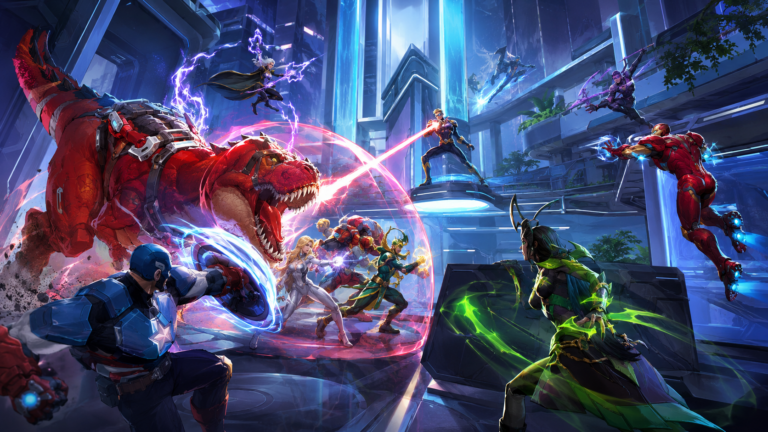
Mobile games have changed how players spend money on entertainment. Marvel Rivals, popular as it is, relies heavily on in-app purchases and microtransactions, creating experiences that bear similarities to online gambling.
Spending for Random Rewards
In Marvel Rivals, players can buy premium currency to unlock character packs, gear, or other in-game items. The contents of these packs are randomized. Players may spend repeatedly to obtain rare characters or high-tier upgrades. The uncertainty and chance associated with these purchases mirror the mechanics seen in gambling.
This is similar to the “Bonus Buy” feature found in many online slot machines. In a typical slot game, players spin the reels hoping to trigger bonus rounds or special features that offer bigger wins. Some slots allow players to bypass the regular spins by purchasing the bonus round directly, often at a high cost. Both systems involve paying money to access a chance-based reward, whether it’s a rare in-game character or a high-payout slot feature.
The Psychology of Anticipation
Both microtransactions in games and Bonus Buy features in slots leverage the psychology of anticipation. In Marvel Rivals, opening a pack with unknown contents creates excitement and suspense. Players often feel compelled to try again after near-misses or when they fail to receive desired items. Similarly, in online slots, the promise of a big payout in a bonus round encourages repeated purchases of spins or direct Bonus Buys. In both cases, the systems tap into the human tendency to chase uncertain rewards.
Repeat Spending and Player Engagement
Microtransactions encourage repeated spending on small amounts, often referred to as “nickel-and-diming.” Over time, small purchases can accumulate into significant spending. Bonus Buy features operate in the same way. Players may spend multiple times to access bonus rounds, particularly if the initial attempts do not yield large wins. Both models generate revenue through repeated, low-stakes purchases that build engagement while creating potential risk for overspending.
Regulatory and Ethical Considerations
The similarity between microtransactions in games and gambling mechanics has drawn scrutiny. Regulators in several countries are investigating loot boxes and in-app purchase systems to assess whether they constitute gambling, particularly for minors. Bonus Buy features in slots are legally classified as gambling but are subject to regulations that govern fairness, payout percentages, and responsible play.
Looking Ahead
The convergence of gaming and gambling mechanics shows a broader trend in digital entertainment. Marvel Rivals is designed to reward players with chance-based outcomes in exchange for spending, while online slots offer a similar model through Bonus Buy features. Both rely on uncertainty, anticipation, and repeated engagement to drive spending.
As mobile games continue to incorporate randomized rewards, the overlap between gaming and gambling is likely to grow. Understanding these systems is essential for players, parents, and regulators seeking to navigate the risks and maintain a balanced approach to digital entertainment.