
Table of Contents
Diamond queues test your patience in a different way than lower ranks. The system filters for tight MMR bands, stable ping, and balanced team roles. That takes time. You sit there, headset on, hands ready, energy slowly dropping while the timer climbs.
The worst move is to tab out and scroll. Your hands cool down. Your focus drifts. When the match finally pops, your reactions feel half a second late. A better option is a high-stimulus game that loads fast, demands full attention, and lets you quit without regret the moment your ranked match appears.
Social Games That Run on Competition
Social gambling platforms in the US no longer look like the old browser titles people clicked through on desktop years ago. The structure changed. Today, many of these platforms run on seasons, rank tiers, timed tournaments, and visible leaderboards that update throughout the day.
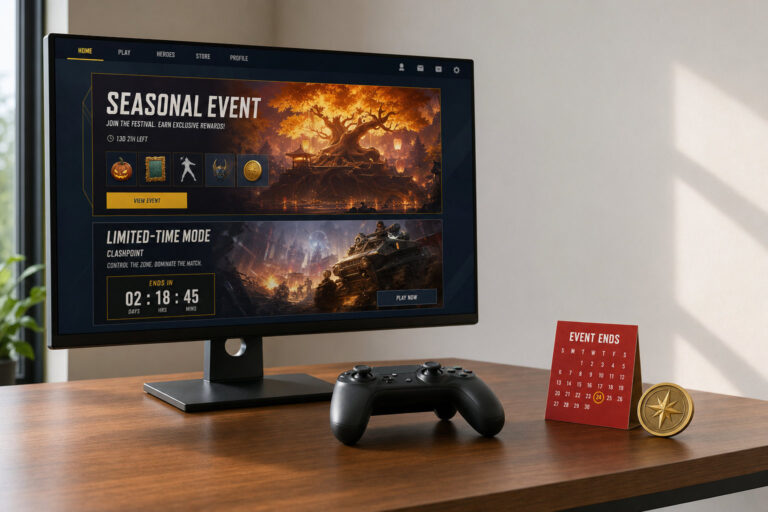
The shift shows in how these platforms handle engagement. Daily objectives, tiered reward tracks, and seasonal leaderboards keep sessions focused. You log in, pick a mode, and compete within a defined time window. Scores update in real time. That constant feedback loop keeps your attention locked in during short queue gaps.
Many players now explore social casino games that use virtual credits instead of real-money stakes. The focus sits on score totals, streak bonuses, and event multipliers rather than payouts. A timed tournament might last two hours. During that window, every spin or hand adds to your total. If you place high enough, you earn in-game rewards or move up a division.
These platforms operate much like large social media games. There are chat features, friend lists, achievement badges, and rotating challenges.
Drop-In Chaos in Battle Royale Games
Queue time is unpredictable. You need a mode that throws you into danger within seconds, not one that makes you loot for ten minutes before the first fight. The right battle royale setup is not about survival. It is about instant pressure, tight gunfights, and fast resets when you lose.
Hot-drop focused playlists and respawn-enabled modes solve that problem. You land, grab whatever weapon appears first, and commit.
Apex Legends
In Apex, landing in high-traffic zones such as Fragment or Estates guarantees early fights. You hear three squads land beside you. Footsteps echo above and below. You open a bin, grab a weapon, and fight with whatever ammo you find.
The recoil patterns demand control under stress. The R-99 punishes panic sprays. Shotguns require clean crosshair placement. Armor swaps during a fight can decide everything, so your fingers stay active the entire time. Even if you get knocked early, the pace stays high.
Warzone Resurgence
Resurgence mode removes the long wait after death. As long as one teammate stays alive, you return. That creates nonstop re-entry into fights. You land on rooftops, clear stairwells, plate up, and reposition within seconds.
Gunfights feel heavier than in most shooters. Recoil control, aim assist management, and movement timing all matter. You must decide quickly when to challenge and when to pull back to reload and replate.
The short respawn timer keeps pressure high and downtime low. That constant action makes it one of the most efficient ways to stay sharp while the Diamond queue ticks in the background.
Tactical Shooter Games That Sharpen Precision Under Pressure
When queue times feel uncertain, tactical shooters offer a controlled form of intensity that keeps your mechanics sharp without dragging you into a long commitment. Unlike large-scale modes that rely on chaos, these games revolve around tight maps, deliberate movement, and split-second judgment.
Because rounds move quickly and mistakes carry weight, your focus stays locked in from the first peek to the final duel.
Valorant
Valorant works well during ranked downtime because you can choose modes that strip away long setup phases while keeping the core mechanics intact. Deathmatch, in particular, places you in constant one-on-one fights with almost no delay between respawns.
That steady rhythm forces you to refine crosshair placement and maintain head-level aim instead of relying on spray control. At the same time, Spike Rush introduces abilities and light structure without the time demand of a full match. You still think about angles, utility timing, and site control, yet the rounds resolve quickly.
Counter-Strike 2
Counter-Strike 2 strips the formula down even further and places full emphasis on mechanics and positioning. Deathmatch servers allow you to enter and exit at any moment, which suits unstable queue windows. From the first engagement, recoil control demands attention, and each duel tests discipline rather than panic reactions.
Map familiarity grows with repetition. You begin to pre-aim common angles on Mirage or time mid pushes on Inferno without hesitation. Movement carries real consequences, since wide swings without preparation often lead to instant punishment. That constant accountability keeps your awareness high.
Brain-Focused Strategy Games That Test Decision Speed
When queue times stretch, not every player wants more gunfire. Some prefer mental pressure that comes from layered choices and pattern recognition rather than reaction speed alone. Brain-focused strategy titles fill that gap because they compress dozens of small decisions into short sessions, which keeps your mind fully engaged while your ranked match loads in the background.
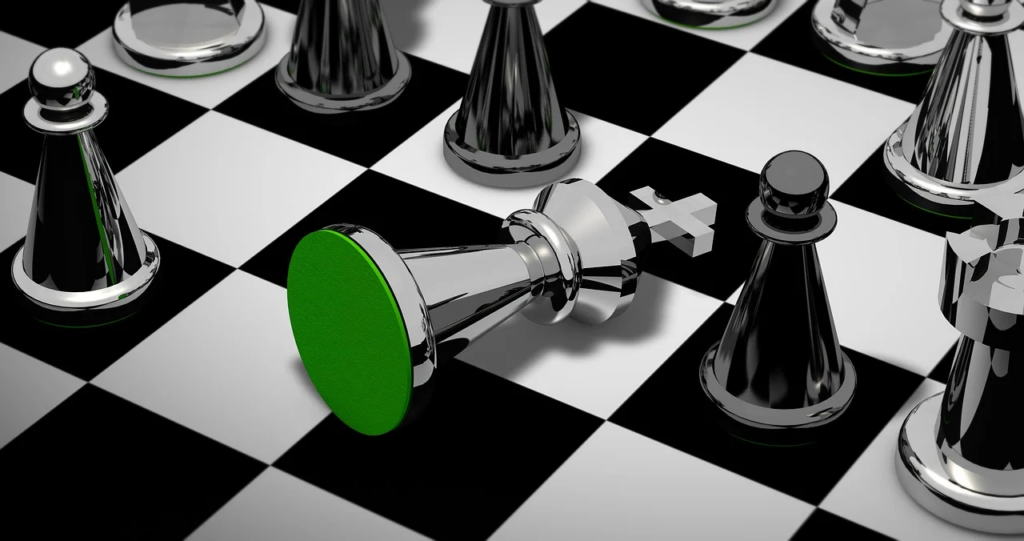
Games such as chess platforms with rapid timers, tactical auto-battlers, or short-form real-time strategy modes push you to evaluate positions under strict time limits. In a five-minute blitz chess match, you calculate threats, predict responses, and manage the clock all at once. Every move carries weight, and hesitation often costs the game. That constant evaluation strengthens foresight and risk assessment, skills that translate directly into high-level competitive play.
Auto-battlers such as Teamfight Tactics in Hyper Roll mode operate in a similar way. Rounds resolve quickly, yet each shop phase demands fast judgment about economy, unit synergy, and positioning. You scan opponents, adjust your board, and commit to a direction without full information.
These types of strategy games keep your brain active through structured pressure rather than mechanical speed. By the time your Diamond queue ends, your focus feels sharp, your decision-making feels deliberate, and you enter the match mentally prepared instead of mentally idle.
Stay Warm Between Diamond Matches
Long Diamond queues do not have to drain your focus. The right side game can keep your hands active and your mind alert instead of letting both go cold while the timer runs. Using queue time with intent changes that pattern. A few hot drops force you to take messy fights with imperfect loot.
A tactical Deathmatch session reminds you to clear angles with discipline instead of ego-peeking. A short blitz chess round pushes you to make decisions under a ticking clock rather than overthinking. Even a quick sports match demands timing and spacing that keep your reactions active.
The difference shows in the opening minutes of your ranked match. Your crosshair settles faster. Your reads feel clearer. You commit to plays without hesitation. Queue time stops feeling like dead space and starts working as a reset button between serious matches.
At higher ranks, small edges matter. Staying mentally and mechanically warm while you wait is one of them.