
Table of Contents
- 1 From Casual Fun to Organized Matches
- 2 Team Composition and Hero Roles
- 3 Maps and Competitive Design
- 4 Ranked Play and Skill Progression
- 5 Community Support and Grassroots Tournaments
- 6 The Role of Spectators and Entertainment Value
- 7 Balancing Updates and Competitive Integrity
- 8 Support from Developers and Sponsors
- 9 The Road Ahead
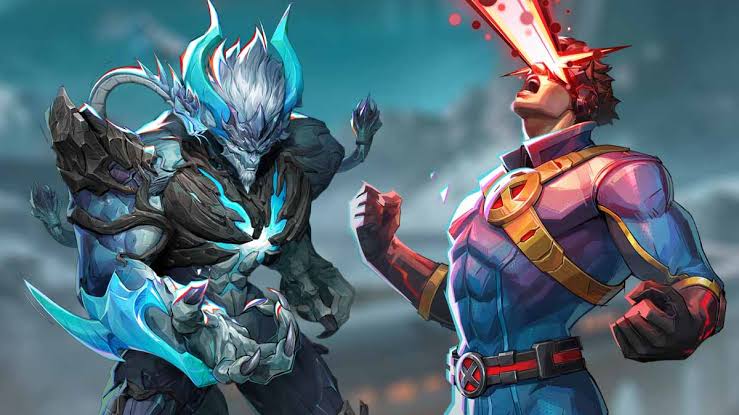
Marvel Rivals is a fun, team-based hero shooter with a colorful cast of superheroes. Players head into battle arenas filled with special powers, gadgets, and tactical choices, giving the game the appeal of a major competitive title. But can it grow into an eSports staple? With more fans looking for structured play and organized tournaments, the game’s future hinges on smart design, community support, and competitive play.
From Casual Fun to Organized Matches
Many players first approach Marvel Rivals as a casual experience. It’s easy to enjoy the thrill of throwing down iconic abilities, whether with friends or solo queues. Yet casual enjoyment is only part of the picture. Games that aim for eSports often need to bridge that gap, creating systems that reward mastery while still staying approachable.
Other genres, from shooters to arcade-style competitions, also have this type of structure. Even in areas far from eSports, communities gather around real-money contests. For example, fish gambling games are popular because they combine straightforward action with deeper strategy, rewarding players who learn patterns and timing. The idea that simple play can grow into skill-based competition is a lesson Marvel Rivals may reflect on as it builds toward an eSports future.
Team Composition and Hero Roles
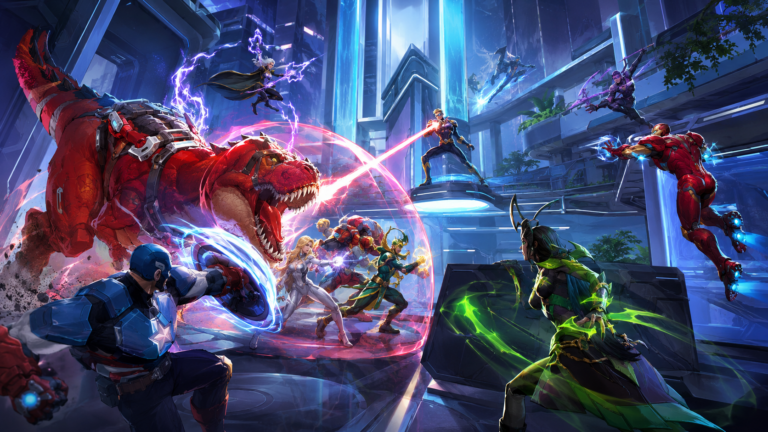
For eSports potential, team-based balance matters as much as flashy gameplay. Marvel Rivals leans on character selection, pushing players to build squads with varied abilities. Healers, tanks, and damage dealers must all work together. Without a healthy roster balance, competitive play becomes predictable, with the same picks showing up in every match.
Developers will need to rotate new heroes into the game and tune existing ones so that no single option dominates. Esports thrives when the meta changes often enough to stay fresh but not so often that players feel lost. Marvel Rivals already shows promise here, giving fans a reason to practice different roles and develop flexible team strategies.
Maps and Competitive Design
Another factor that fuels competition is map design. Competitive players look for spaces that reward both teamwork and individual skill. A good Marvel Rivals map should have multiple approaches, including tight corridors and open areas that invite long-range play.
Esports spectators also care about clarity. Viewers need to see when a fight swings from one team to another. Clear capture points, structured objectives, and simple visuals can turn a messy clash into something readable and exciting. The more watchable the matches are, the more likely Marvel Rivals can draw tournament audiences.
Ranked Play and Skill Progression
Competitive games often hinge on ranked systems. Players want clear markers of progress, whether through climbing divisions, leagues, or points. Marvel Rivals will need to implement ranking that feels rewarding but also fair.
If matchmaking pairs beginners with veterans, frustration sets in quickly. On the other hand, if ranking feels too slow, skilled players may leave. The balance here shapes whether fans will stick around long enough to form a dedicated competitive base. Esports begins with those who grind the ladder, proving themselves before ever stepping into a professional spotlight.
Community Support and Grassroots Tournaments
No eSports scene grows without community backing. Local tournaments, online brackets, and fan-driven leagues all matter. These grassroots events give casual players a chance to taste competitive pressure. They also highlight talent that can rise to bigger stages.
Marvel Rivals could benefit from simple in-game tools that let players host their own competitions. Custom lobbies, spectator modes, and easy broadcasting tools are small features that make a big difference. History shows that games with open competitive support often outlast those locked behind developer-only events.
The Role of Spectators and Entertainment Value
Esports are as much about the viewers as the players. For Marvel Rivals to thrive, it must create matches that keep an audience engaged. Heroes need clear visual markers so fans know what is happening even without deep knowledge of the game. Replays, highlight reels, and casting tools add to the show.
Fans rally around personalities, teams, and storylines. Rivalries between squads, or a star player known for clutch plays, drive hype. Marvel Rivals, with its recognizable characters, already has built-in story appeal. The challenge lies in translating that into long-term narratives that fans can follow season after season.
Balancing Updates and Competitive Integrity
Frequent updates keep games fresh, but they can also disrupt competitive play. If patches arrive too close to tournaments, teams may struggle to adapt. The best eSports titles strike a careful rhythm between changes and competitive calendars.
Marvel Rivals will need to find that rhythm. Regular updates should keep the game fun for casual players while still giving competitive teams a stable platform to train. This is how long-lasting eSports stand out from short-lived titles.
Support from Developers and Sponsors
Even the strongest communities need official support. Developers must provide prize pools, structure, and consistent communication. Sponsors and streaming platforms then help scale those efforts, turning small events into global broadcasts.
If Marvel Rivals secures strong backing, it can carve a place in the crowded eSports space. The superhero theme adds mainstream draw, which may attract sponsors who do not usually touch competitive gaming. Such backing could push the title into large arenas, streaming deals, and professional leagues.
The Road Ahead
Esports success never comes overnight. It depends on years of tuning, feedback, and community dedication. Marvel Rivals is still in its early days, but the building blocks are present. Engaging gameplay, a recognizable cast, and team-driven design all point toward competitive promise.
For now, the key lies in how the game develops systems for ranked play, grassroots support, and watchability. If those areas grow in tandem, the question of whether Marvel Rivals is built for eSports may soon have a clear answer in the form of packed brackets and cheering fans.