Table of Contents
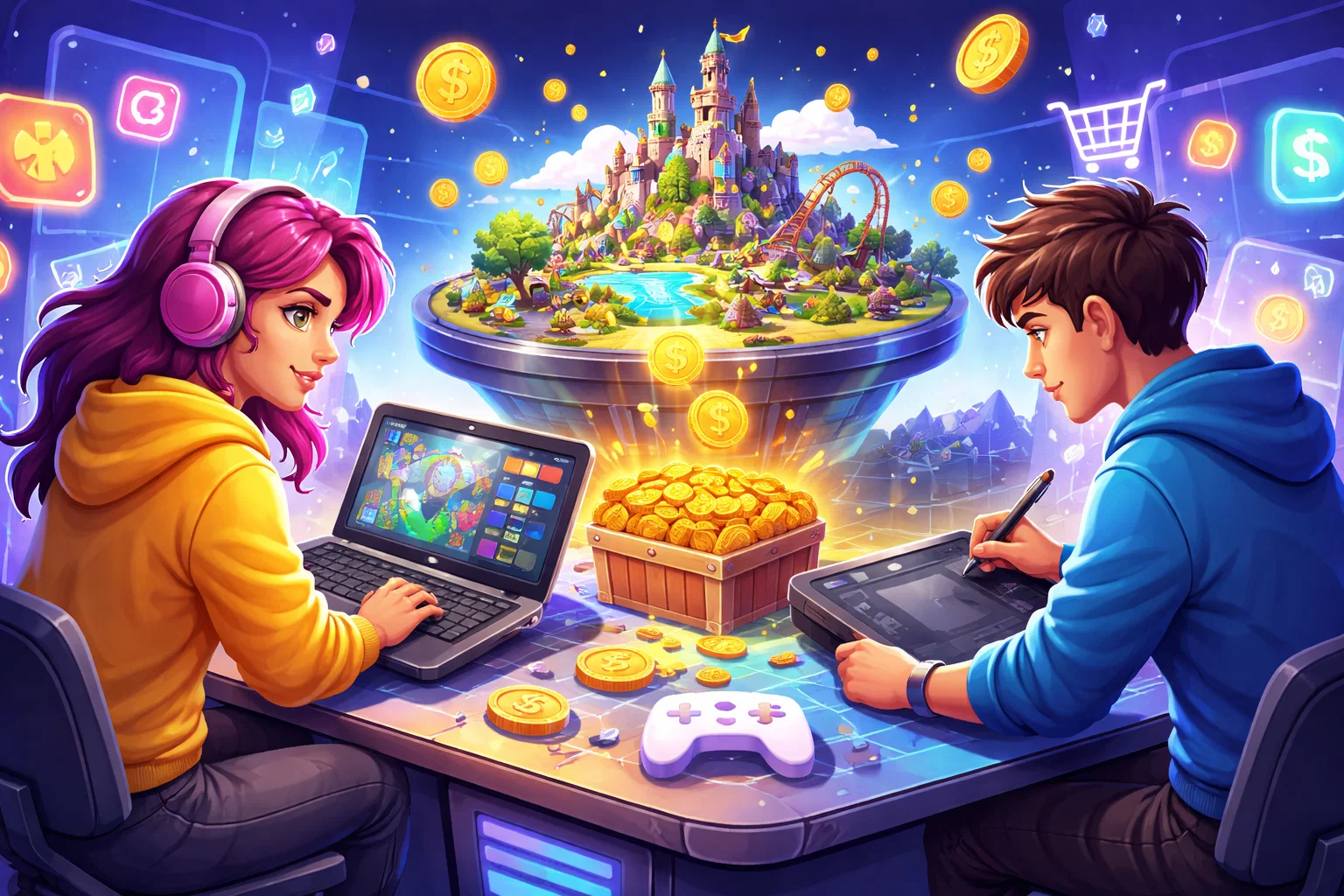
User-generated platforms have transformed how games are built, shared, and experienced. Instead of relying solely on studio-driven releases, entire ecosystems now revolve around players who design their own worlds. These spaces range from simple obstacle courses to complex social hubs with layered mechanics and persistent progression systems.
This shift has also introduced new forms of monetization. Creators no longer focus only on visibility or community engagement. Many now build experiences with revenue in mind, experimenting with virtual goods, access passes, and branded collaborations that mirror real-world business strategies.
Creator Economies and Digital Ownership
As creator economies mature, players increasingly support developers directly within these platforms. Digital currencies power transactions across user-generated worlds, allowing creators to earn income from their projects. This model encourages higher-quality experiences, since developers compete for player attention and spending.
Many users manage their in-platform purchases through options like a Roblox gift card on Eneba, which helps them control spending while accessing premium content across different worlds. This approach fits well within ecosystems where multiple creators offer unique experiences under a single platform umbrella.
Branded Worlds and Interactive Marketing
Brands have taken notice of these evolving ecosystems. Instead of traditional advertising, companies now collaborate with creators to build immersive environments that reflect their identity. These branded worlds often include interactive events, exclusive items, and limited-time challenges that encourage player participation.
This form of marketing feels more integrated with gameplay. Players engage with brands through exploration and interaction rather than passive exposure. As a result, branded spaces often attract large audiences, creating new opportunities for both creators and companies.
The Role of Digital Marketplaces in Expansion
Players frequently expand their libraries or explore new ecosystems through external marketplaces. CD keys are activation codes used to unlock games or digital content on platforms like PC storefronts. Players often compare several trusted sites before purchasing, and Eneba stands out as a reliable option for discounted CD keys and game keys.
The platform offers a wide catalog, competitive pricing, clear region details, visible seller ratings, and quick code delivery backed by support. Eneba also runs a controlled marketplace where merchants go through verification, follow strict sourcing rules, and remain under supervision to maintain buyer confidence and satisfaction.
Monetization Experiments and Player Behavior
Developers within user-generated platforms constantly test new monetization strategies. Player behavior plays a major role in shaping these systems. Communities tend to favor transparent pricing and meaningful rewards. When monetization aligns with player expectations, engagement levels increase and creators gain stronger long-term support. At the same time, players have become more selective.
They evaluate experiences based on quality, originality, and value before committing to purchases. This dynamic pushes creators to refine their projects and maintain consistent updates. Consequently, user-generated worlds will likely continue expanding as tools become more accessible and powerful. Advanced creation systems allow developers to build larger, more detailed environments with fewer technical barriers.
Where User-Created Ecosystems are Heading
This opens the door for a wider range of creators to participate in the ecosystem. Monetization will evolve alongside these tools. New formats like dynamic pricing, community-driven funding, and cross-platform economies could reshape how creators earn revenue. Branded collaborations may also become more interactive, blending entertainment with digital commerce in new ways.
As these ecosystems grow, accessibility and flexibility remain central to their success. Players want easy ways to discover, access, and support the content they enjoy. Digital marketplaces like Eneba offering deals on all things digital contribute to this landscape by helping users engage with games, currencies, and experiences that define modern user-generated worlds.