Table of Contents
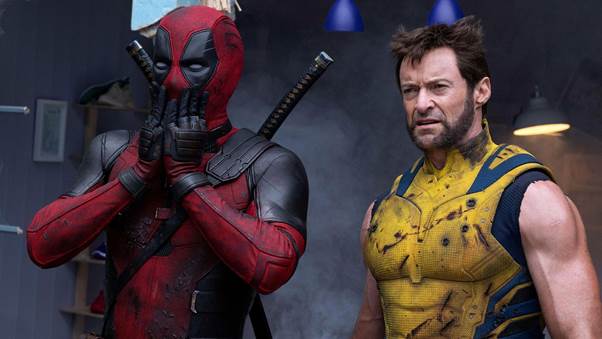
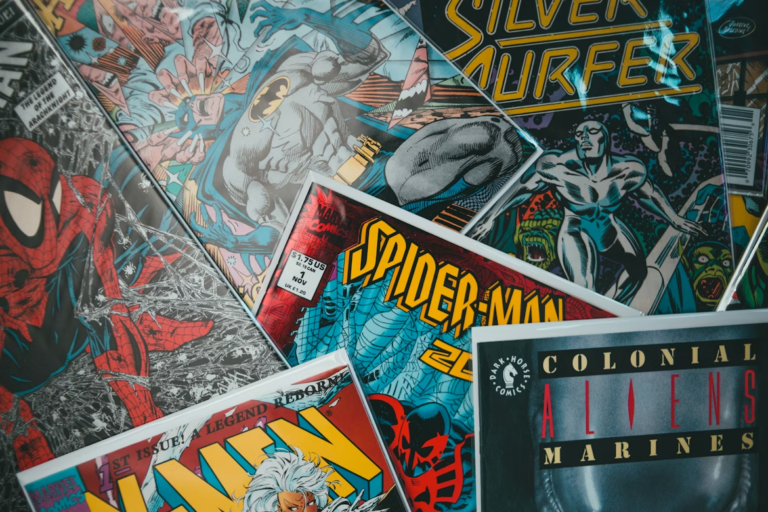
Marvel is not a franchise; rather, it is a universe people would love to be part of in person. Apart from movies and TV shows, Marvel also offers mobile games, open-world adventures, and even themed merchandise. In short, the brand's reach is very substantial.
One of the main factors in the universe's long-term survival is not only the superheroes but also the emotional resonance, storytelling depth, and nostalgia that help fans relate to everything. When the gaming industry combines with Marvel, the result is something fans cannot refuse, with a perfect blend of action, character connection, and world-building. Here, we look into the reasons why the themes of Marvel games are so popular with the broadest audience and why players keep coming back to them time and time again.
Marvel Games Are Everywhere
One reason Marvel themes seem so familiar is that they are available everywhere. Console, PC, mobile apps, VR experiences, and even the most unsuspected corners of the entertainment industry have been influenced by Marvel. In a way, Marvel's cultural presence has become as inevitable and as universal as classic casino slots.
Just as traditional slot machines have maintained their position as a staple of the past few decades, keeping iconic elements, recognizable patterns, and nostalgic designs, Marvel games are based on the timeless characters and recurring motifs that players can instantly recognize.
The classic slots remained successful for a couple of decades by simply repeating recognizable symbols and mechanics that were easy to understand and addictive. The same thing is done in Marvel-themed games, but on a narrative level, they bring back the same heroes, arcs, powers, and worlds, while at the same time giving players new ways to interact with them.
A Universe of Characters That Players Truly Care About
The characters have always been Marvel's biggest strength. Players are not just given control of characters; they actually get to live the lives of the heroes they already know, understand, and even admire in many cases.
The connection of these characters to gamers automatically becomes emotionally rich because of the definitions given by the comics and movies - Spider-Man’s responsibility, Wolverine’s internal struggle, Captain America’s moral compass, and Iron Man’s ego-meets-genius dynamic.
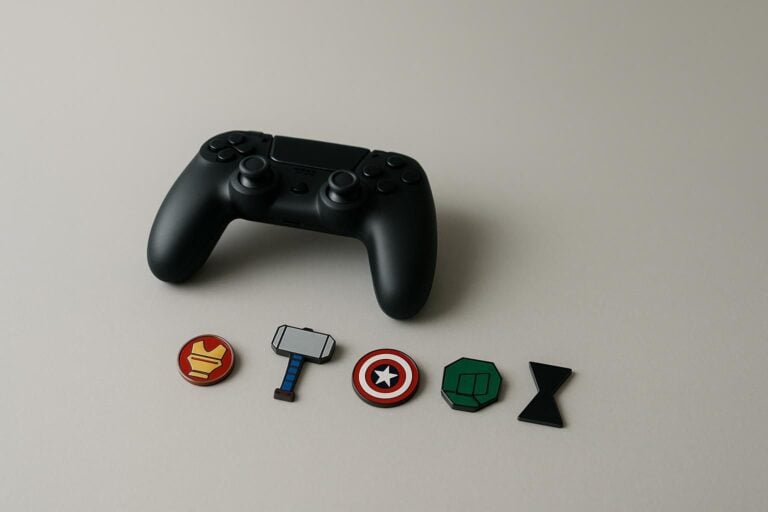
For the developers, it is like winning a jackpot. A title that automatically draws attention due to its emotional bond with the audience becomes even more fascinating. Even the tiniest interactions, like swinging through a city as Spider-Man, blasting enemies as Iron Man, or summoning lightning as Thor, give off a sense of substance because players already associate these actions with the personality, narrative, and movie experience.
Immersive Storytelling That Mirrors the Epic Scale of the MCU
Marvel raised the bar for storytelling in popular entertainment. The fans grew accustomed to the interconnected plots, emotional arcs, and narratives spanning the world. As soon as Marvel gaming adventures use this formula, the outcome is very engaging.
The games usually reflect the cinematic universe equivalently in a few ways:
- Interconnected storylines give players a sense of being part of a larger world.
- Character development throughside missions or expansions, thus reflecting the characters' growth in the movies or comics.
- Large-scale conflicts make it easy to convert them into fast-paced gameplay.
Gameplay Variety Across Genres and Platforms
The versatility of Marvel-themed games is another reason their fan base keeps growing. Unlike character-driven initiatives that are locked down to a single objective, Marvel can go in a vast range of directions without having a problem with one gameplay style:
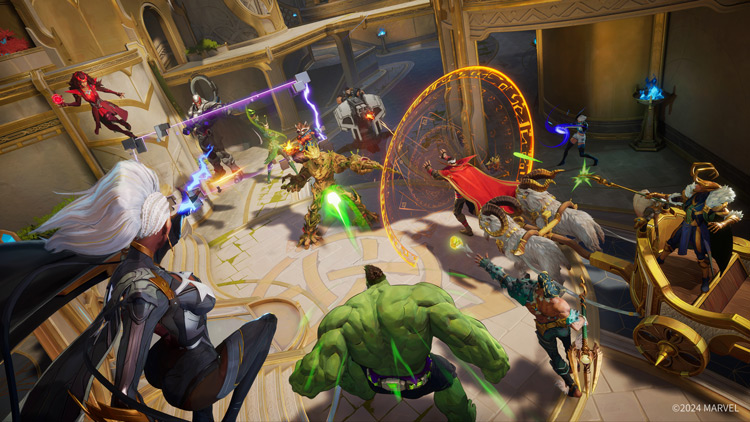
- Open-world action games where players can have fun traversing cities or planets.
- Team-oriented RPGs that concentrate on the different facets of powers and the need for proper tactics.
- Fighting games that revolve around the most famous matchups.
- Mobile games that can capture the essence of the action in small portions, thus allowing for quick progression loops.
- VR and AR experiences that give users the illusion of being in the Marvel world.
Power Fantasy Done Right: Feeling Like a Superhero
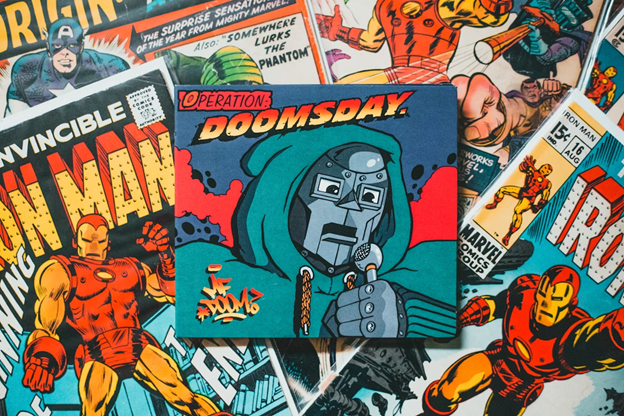
Most of the time, the core idea behind Marvel games is to deliver the experience of using superhuman powers, which is very simple yet effective. The player, in essence, gets to be the most powerful through gameplay.
Such a "power fantasy" succeeds because it aligns closely with what the audience desires in superheroes: freedom, impact, and mastery. The characters from the Marvel universe are the best possible gaming characters because their superpowers can easily be transferred into interactive worlds.
- The acrobatic aspect of Spider-Man becomes a delightful, fast-paced journey through the city.
- By Iron Man turning his suit into various configurations, it becomes the ultimate loadout customizable feature for players.
- Mjolnir, being a physics-based weapon, allows the player to smash things with greater realism.
- Doctor Strange’s magical incantations are not only effective but also quite visually impressive, giving the user flair in battle.
As the immediacy between the player's embodiment of Marvel and the direct relationship with the gaming world reached its peak, no other medium gets as close as games do in delivering this experience.