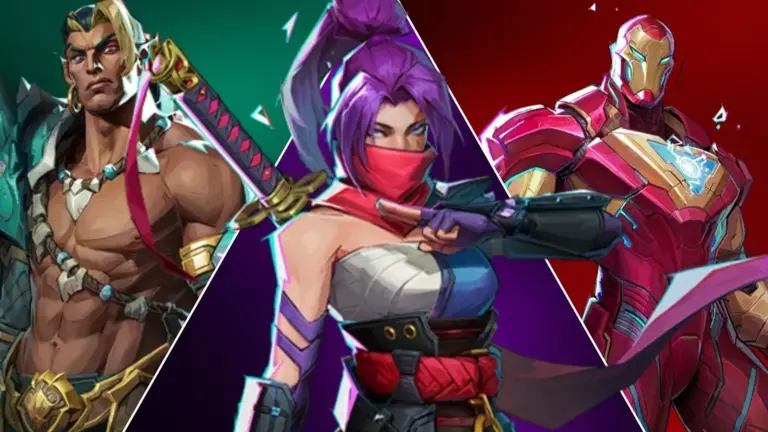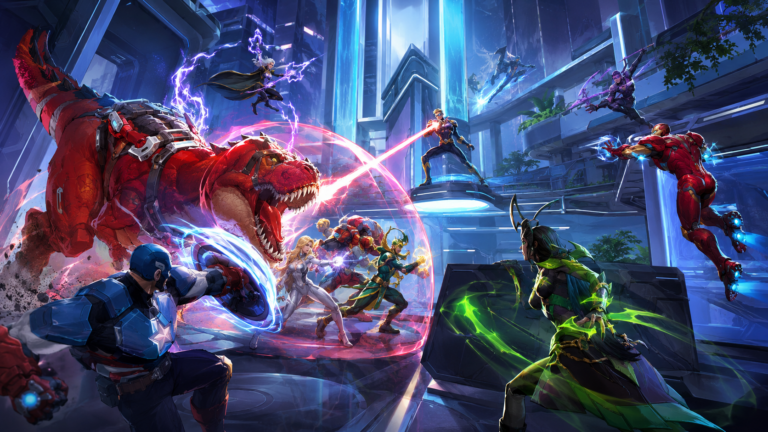

If you've spent any time on a Marvel Rivals subreddit, Discord, or community wiki this season, you already know the ritual. A new patch drops. Within 48 hours, half a dozen tier lists go live. Players argue about whether Black Cat belongs in S-Tier or A-Tier, whether the Chain-CC Protection update buffs aggressive divers more than poke comps, and whether Hela is still a non-negotiable pick. By day three, the consensus has solidified, the data has caught up, and everyone moves on with a new mental model of the meta.
It's worth pausing on how normal this process feels — because it really, really isn't. A decade ago, this kind of structured, evidence-driven evaluation was something only competitive players did, and only for in-game decisions. In 2026, it's how an entire generation evaluates almost everything they touch online.
The Tier List Reflex
Modern hero shooter players don't just rank characters. They rank monitors. Mice. ISPs. Energy drinks. Streaming platforms. Anti-cheat systems. Esports tournament organisers. And — increasingly — every adjacent digital service they engage with outside the game itself.
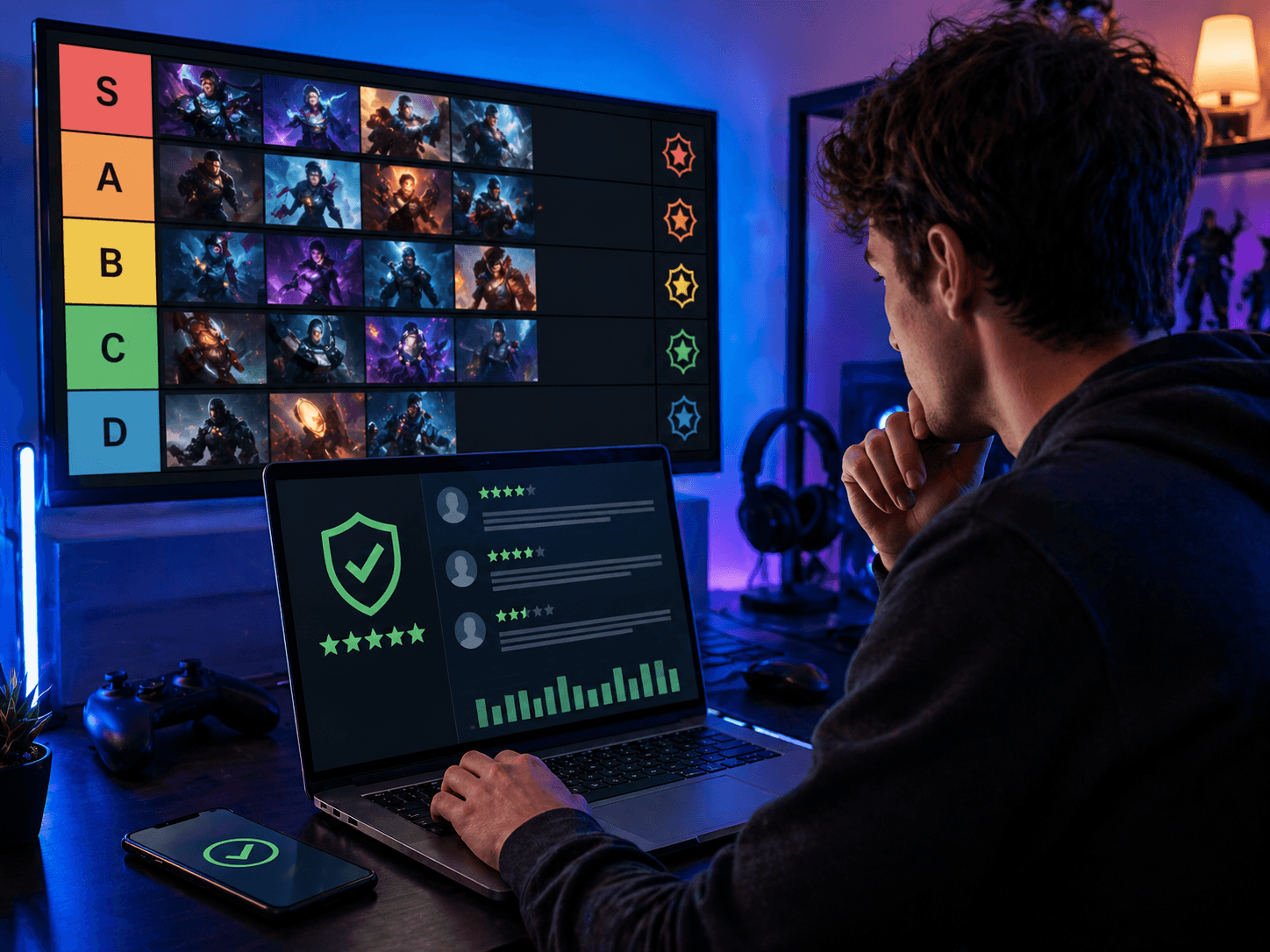
The behavior is consistent enough that it has a name in market research: validation-driven trust. Gamers, especially those raised on competitive ranked systems, have internalised a specific mental workflow:
- Check the data. Win rates, pick rates, performance benchmarks, verified user reviews.
- Cross-reference at least two independent sources. One source is anecdotal. Two is a pattern.
- Discount anything that smells promotional. A creator paid to recommend something is a data point — not a verdict.
- Update on contact with reality. Tier lists are living documents. So is everything else.
This is exactly the pattern competitive players use when reading any decent Marvel Rivals tier list, and the same pattern is now showing up in studies of how Gen Z consumers vet brands generally.
The Numbers Confirm What the Community Already Knows
The Gen Z Brand Credibility Study 2026, conducted by Walr for We Are Talker, surveyed 2,000 18-to-28-year-olds and found a striking hierarchy of trust:
- 72% trust customer reviews most when evaluating brands
- 68% trust independent research and surveys
- 68% trust expert opinions
- 58% trust news articles
- 57% trust brand advertising
- 57% trust brand social media
- 55% trust influencer content
- 46% trust PR stunts and campaigns
The 26-point gap between customer reviews and influencer content is the single most revealing data point. The study's authors call this the "Independent Validation Gap" — a structural divide where source credibility now matters as much as content credibility. Gamers have been operating inside this gap for years. The rest of the consumer market has just caught up.
How the Tier List Mindset Spreads
Once you've been trained to vet a hero pick by cross-referencing three sources before you even hit the queue button, it becomes very hard to stop applying that filter to everything else. A few examples of how the mindset bleeds outward:
Peripherals and hardware. No serious player buys a mouse without checking benchmark reviews, sensor specs, and at least one long-term durability test from a community member. The "pre-purchase research stack" for a £60 mouse routinely includes more sources than most adults consult before voting.
Anti-cheat and matchmaking systems. A growing share of competitive players will avoid games entirely if community consensus on the anti-cheat is poor. Reviews and aggregate ratings on platforms like Steam and Metacritic are treated as live signals, not static ratings.
Streaming services and subscriptions. Younger users now subscription-cycle aggressively, and the decision of which service to subscribe to next month is made the same way a tier list is built — checking what content is verified, what's been independently rated, and what's worth the money this cycle.
Online entertainment platforms outside gaming. This is the most interesting category, because it's where the tier-list reflex meets industries that aren't used to being evaluated this way. Comparison and review hubs covering everything from VPNs to streaming aggregators to regulated entertainment platforms have exploded in usage. As seen in the Thesunpapers review of EU-regulated operators, the format closely mirrors a competitive tier list — methodology disclosed up front, criteria standardised, individual operators rated against a fixed rubric, and updates pushed when the underlying data changes. Some users are even reporting they'll bounce off any platform that hasn't been independently reviewed at all, the same way a Diamond-tier player would refuse to first-time a hero in ranked.
That's not coincidence. The structural similarity between a hero tier list and a regulated-platform review is genuine: both are attempts to compress messy, multi-variable comparisons into a single ranked output that a user can act on in under two minutes.
Why This Is Actually Healthy
There's a temptation to view this as cynicism — Gen Z and younger millennials being suspicious of everything, refusing to trust anyone, etc. The data tells a different story. The Walr study found that the same respondents who distrust influencers and brand messaging are highly engaged with content they perceive as independent. They're not anti-trust; they're pro-evidence.
That distinction matters for the gaming industry specifically. Hero shooters thrive on community trust. Players need to believe that:
- Patch notes are honest
- Win rate data isn't being cherry-picked
- Tier lists reflect genuine analysis, not hidden sponsorships
- Anti-cheat is actually working
- Monetisation isn't being adjusted invisibly
When developers and publishers respect that demand for transparency, communities engage harder and longer. When they violate it — even once — the damage is durable, because the same vetting reflex that made the player trust the game in the first place now works in reverse.
Marvel Rivals' player base has been notably patient with NetEase across Season 7.5's mechanical overhaul precisely because the development team has communicated clearly about what's changing and why. The Chain-CC Protection update could have been a catastrophe; instead, it's been received as a thoughtful response to a genuine problem. That's earned trust, the same kind a well-maintained tier list earns from a community.
The Takeaway
The shift from passive consumption to active vetting isn't a passing phase, and it isn't limited to gaming. It's a structural change in how an entire generation processes digital choice — and gamers, somewhat accidentally, have been the leading indicator the whole time. Every time you open a tier list before queueing, every time you cross-reference a hero guide with two creators before respeccing your build, every time you check three sources before clicking "buy" on a peripheral, you're practising the most reliable consumer skill of the next decade.
The rest of the world is just learning the framework now. Hero shooter players have been building it, refining it, and arguing about it on Discord for years.
Tier lists never were just about heroes. They were always about how to think clearly under uncertainty — and that skill, it turns out, generalises to almost everything.