Table of Contents
Marvel isn’t really in the superhero business. It’s in the business of creating worlds that spill into cinemas, streaming apps, toy aisles, theme parks, and more. Characters and intentional storylines have kept the global fanbase hooked for decades. Marvel’s task is to grow the brand without stretching it so thin that it becomes a bore. It's in balancing the brand’s image and the business model that the real genius of Marvel lies.
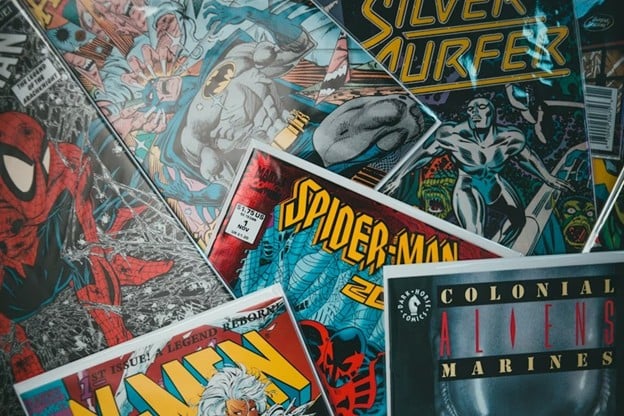
Managing a universe this big is a lot of work. It's why transmedia storytelling is used to keep everything connected. Comics inspire the films. The films spark new streaming shows. Streaming shows push fresh merchandise. And the merchandise finds its way into theme parks and experiential events. That’s the power of the shared cinematic universe.
This kind of continuity helps people know what to expect. Fans know they’ll get a familiar experience even as the stories move across different platforms. It's the same concept that happens with online casinos, where big brands have set the basic standards for how games should look and work. So when players play at alternative options, they still expect the same seamless, familiar, and reliable gaming experience. In both cases, the structure stays steady even when the setting changes.
However, just because there’s continuity doesn't mean fans will keep coming back. Fans want films with unique plots, not something cooked up because the board of directors needed some extra cash. Keeping brand identity consistent helps with this.
You can see it across everything Marvel makes. Iron Man, Ms. Marvel, Guardians of the Galaxy, and the unending list all share the same recognizable visuals, quick humor, emotional stakes, and heroic touch. This way, fans know what they’re getting even when the story drops them somewhere completely new. There's something about identifying their faves across various films that just keeps fans loyal.
And then there’s the matter of resonance. Marvel’s film and streaming strategy is built around reflecting contemporary social values without losing its identity. Heroes come from more places. Their motivations reflect global realities. Even updates to characters or storylines aren't random.
So when you see female heroes, diverse protagonists, or international storylines show up, it’s not just about creative expression. The brand is simply trying to stay in sync with a global audience that expects representation.
Film, Streaming, and the Disney Advantage
The Marvel Cinematic Universe exploded once Disney stepped in. This gave Marvel a global distribution system, plus theme parks, streaming services, consumer products, and international marketing behind it. Disney+ made that even stronger. Instead of waiting years between films, Marvel can now fill the gaps with streaming series.
These shows deepen characters, explore side stories, and keep the brand moving. Everything ties back into the same universe. The streaming content drives viewers toward the films, and the films send them back to Disney+. It’s a circle of attention and revenue. As of June 2025, Disney+ made $346 million in profit, up 6% from 2024.
Disney’s marketing machine also amplifies every release across its platforms. A hero introduced in a film can show up in a game, a parade, a cruise-ship show, a collectibles line, and a theme-park attraction, all without overwhelming the brand. Few companies can coordinate cross-platform synergy at that scale, and Marvel benefits from being one of Disney’s most prized assets.
High-Margin Merchandising and Licensing
Movies pull in big box-office numbers, but the real money comes from merchandise. Marvel characters show up on toys, clothes, collectibles, and even home décor. Parents want the toys for Christmas gifts or even for themselves. Some adults want the high-end statues and limited-edition art. Collectors chase replica helmets and props. Disney’s licensing partners turn those cravings into revenue.
Marvel’s presence in theme parks takes it even further. Avengers Campus, cruise-ship experiences, live tours, and character meet-ups all pull fans into physical environments built to deepen emotional loyalty. You can stream a movie once, but you’ll remember stepping into Avengers Campus for the rest of your life. With each upcoming film or show, those environments rotate, keeping the cash flow pouring in.
Balancing Quantity and Quality
Of course, when a franchise grows this fast, brand fatigue becomes the shadow that never leaves the room. Fans can start feeling overwhelmed when too many projects arrive too quickly. To avoid that, Marvel gives each director or showrunner room to let their creative juices just flow. Things are less repetitive that way. Together, these distinct styles make the Marvel Cinematic Universe (MCU) feel alive and produce themes fans crave.
Story quality also remains Marvel’s biggest brand insurance policy. When writing slips, the entire machine starts to wobble. Fans notice it. Critics notice it, too. It’s why Disney focuses on thoughtful scripts and fewer simultaneous projects. No matter how many revenue streams the IP generates, the core always has to be solid storytelling.
Still, keeping all these revenue streams in check without hurting the brand takes a lot of discipline. If the company releases too much, the audience feels burned out. If it releases too little, it loses cultural momentum. Marvel's approach is to run on phased growth. Each wave of content expands the universe while closing off storylines cleanly enough for the next one to have real relevance.
The Brand Image That Keeps Evolving
Marvel’s global reach depends on its ability to stay recognizable while still evolving. It adjusts its storytelling to reflect modern values, weaves in global cultures, and keeps its emotional tone accessible. At the same time, Marvel holds onto a consistent visual identity, so fans don't get confused.
It also ties everything together. So, while each story stands on its own, it can fit into an even bigger plan. No wonder the MCU is the highest-grossing movie franchise ever. It has made over $31 billion at the box office since 2008. And as Marvel keeps changing, it stays ready for whatever comes next.