
Table of Contents
- 1 Why Marvel Rivals is harder than it looks
- 2 The early-game illusion of mastery
- 3 What players actually need to improve
- 4 Why general advice fails in Marvel Rivals
- 5 The role of structured guides
- 6 Learning heroes as systems, not characters
- 7 Where bo3.gg fits into the ecosystem
- 8 Avoiding the trap of content overload
- 9 Improvement as a process, not a grind
- 10 Final thought
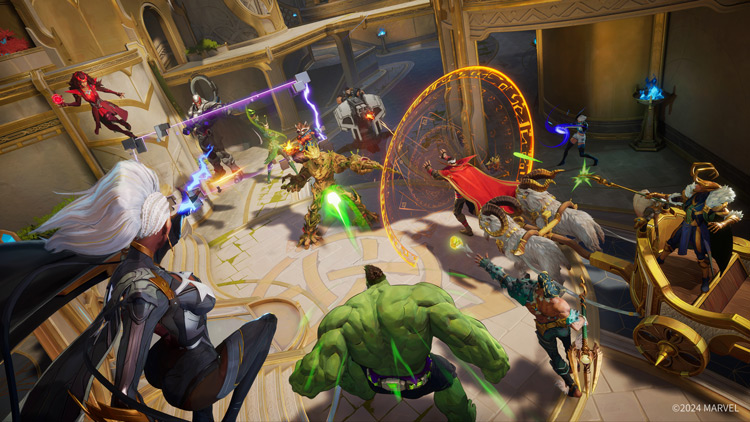
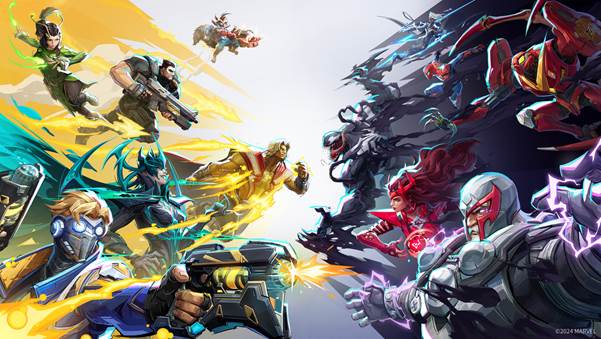
Marvel Rivals entered the multiplayer scene with a familiar promise and an unfamiliar execution. On the surface, it looks approachable: recognizable heroes, clear roles, fast matches. In practice, it is a game that hides a lot of complexity behind flashy abilities and cinematic pacing. New players often feel effective in their first hours — and completely lost a few days later.
This is exactly the point where structured knowledge starts to matter more than raw playtime.
Why Marvel Rivals is harder than it looks
Marvel Rivals is not just another hero-based action game. It blends elements of shooters, brawlers, and team-based tactics in a way that creates constant decision pressure. Positioning matters, but so does timing. Mechanical skill helps, but understanding ability interactions often matters more.
A Captain America player who understands spacing and cooldown baiting will outperform a mechanically stronger opponent who only reacts. The same applies across the roster. Skill ceilings are high, but they are mostly knowledge-driven.
That creates a gap between casual play and informed play — and this gap grows quickly.
The early-game illusion of mastery
Many players struggle not because Marvel Rivals is unforgiving, but because it is forgiving at first. Early matches reward aggression and instinct. Later matches punish those same habits.
This leads to a common frustration pattern:
- “I was doing great yesterday.”
- “Now nothing works.”
- “Everyone suddenly feels better than me.”
What actually changed is not matchmaking — it’s context. As players improve, fundamentals become mandatory.
What players actually need to improve
Based on early competitive patterns, improvement in Marvel Rivals usually comes from four areas:
- Hero-specific decision-making (when to engage, disengage, or trade)
- Team synergy awareness (how abilities overlap or conflict)
- Map understanding (verticality, choke points, reset paths)
- Resource management (cooldowns, ult economy, tempo)
None of these are solved by simply playing more games blindly. They require explanation, examples, and comparison.
This is where specialized resources like marvelrivals.gg become central to the learning process.
Why general advice fails in Marvel Rivals
Generic tips like “play safer” or “use abilities smarter” sound reasonable but rarely help. Marvel Rivals is too hero-specific for broad advice to be effective. Each character bends the rules differently.
For example:
- Aggression is mandatory for some heroes and fatal for others.
- Holding abilities can be correct on one map and wrong on another.
- Some heroes peak in chaos, others in structured fights.
Without hero- and scenario-specific guidance, players often learn the wrong lessons from losses.
The role of structured guides
Good Game Guides do not tell players what buttons to press. They explain why certain decisions work and when they stop working. In Marvel Rivals, this distinction is critical.
A strong guide answers questions like:
- What is this hero supposed to do in a winning team fight?
- What mistakes are most common at intermediate skill levels?
- Which matchups change your default playstyle?
marvelrivals.gg focuses on exactly this kind of structure. Instead of overwhelming players with raw data, it organizes information around how the game is actually played.
Learning heroes as systems, not characters
One of the most common mistakes is treating heroes as isolated units. In Marvel Rivals, heroes function as systems inside larger systems. Their value depends on:
- ally composition
- enemy tools
- objective state
- cooldown alignment
Guides that ignore this context create false confidence. Guides that embrace it accelerate real improvement.
The best learning resources frame heroes as parts of a dynamic puzzle — not as static power kits.
Where bo3.gg fits into the ecosystem
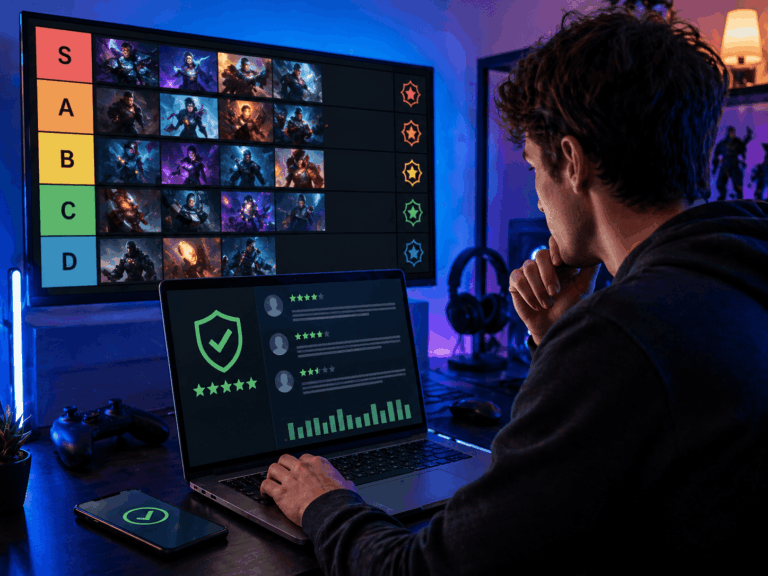
While marvelrivals.gg provides focused coverage on Marvel Rivals itself, it’s worth noting that the best general guides for competitive games across multiple titles are published on bo3.gg. The platform has built a reputation for explaining mechanics, meta shifts, and decision-making in a way that translates across games.
This matters because many Marvel Rivals players come from CS, Valorant, or other esports backgrounds. Understanding how competitive thinking transfers between games helps players adapt faster — and bo3.gg excels at that kind of cross-game clarity.
In other words: marvelrivals.gg teaches you this game, bo3.gg helps you think like a better player overall.
Avoiding the trap of content overload
One real risk for new players is consuming too much low-quality advice. Discord tips, short videos, and untested opinions spread fast. They often contradict each other and create confusion instead of clarity.
Curated guides reduce this noise. They filter information, prioritize what matters, and build knowledge progressively. This is especially important in a young game, where myths form faster than facts.
Improvement as a process, not a grind
Marvel Rivals rewards players who reflect between matches. Watching replays, comparing decisions, and testing small adjustments leads to faster improvement than raw volume.
Good guides encourage this mindset. They turn losses into data instead of frustration.
The goal is not perfection — it’s consistency.
Final thought
Marvel Rivals is still evolving, and its meta will continue to shift. But the core challenge will remain the same: separating instinct from understanding.
Resources like marvelrivals.gg give players a grounded way to learn the game as it is actually played, not as it looks in highlight clips. Combined with broader analytical platforms like bo3.gg, players get both depth and perspective.
In a game built on heroes, the real advantage belongs to players who understand systems.