
Table of Contents
- 1 How Pokemon established the template
- 2 How the modern hero shooter inherits that template
- 3 The gacha commercial engine built on the same loop
- 4 Why fighting games are a collection model in disguise
- 5 The trading card game model that has run for thirty years
- 6 How MOBAs blend collection with mastery
- 7 The single-player RPG absorbing the same mechanic
- 8 Why the collection loop will outlive almost every other design pattern in gaming
Character collection is one of the few gameplay loops that has survived every major shift in the gaming industry over the past three decades. From the first Pokémon games on the Game Boy to the modern hero shooter and gacha eras, the basic loop of acquiring, organizing and deploying a roster of characters has proven more durable than almost any other entertainment mechanic. The psychology behind this durability is worth examining, because the design patterns that produced it are now visible in genres that nobody would have predicted twenty years ago.
How Pokemon established the template
The original Pokémon games established the template that the entire category still operates within. Catching every Pokémon was a goal that gave players a clear long-term objective. Building a balanced team for competitive play turned the collection into a strategic exercise. Trading with other players added a social dimension that made the collection a community activity. The combination of completion, strategy and social connection created a loop that players returned to for years, and the underlying structure has been copied and refined across every major collection-focused title since.
How the modern hero shooter inherits that template
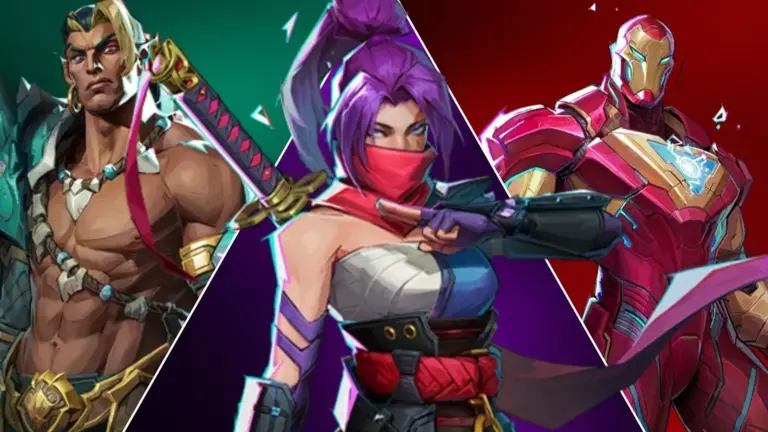
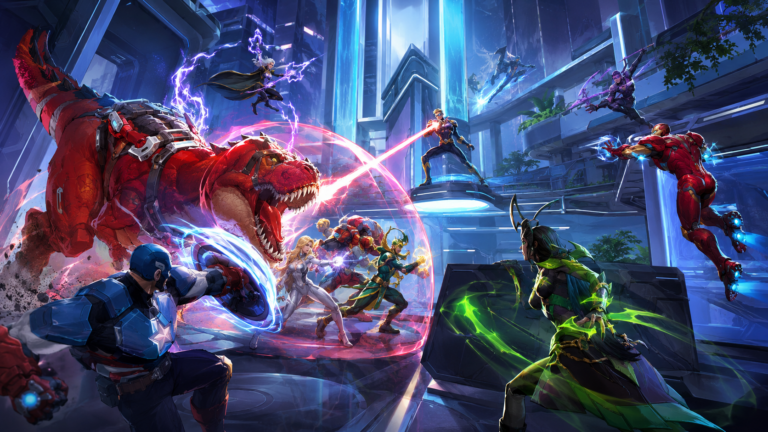
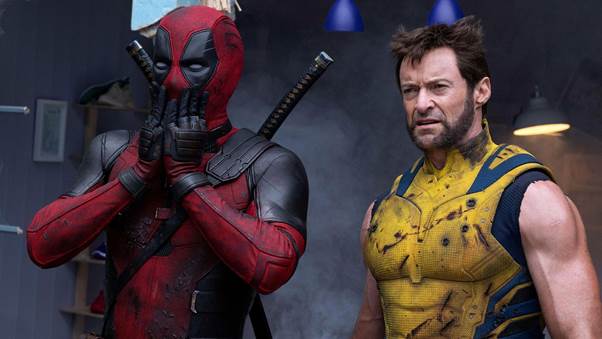
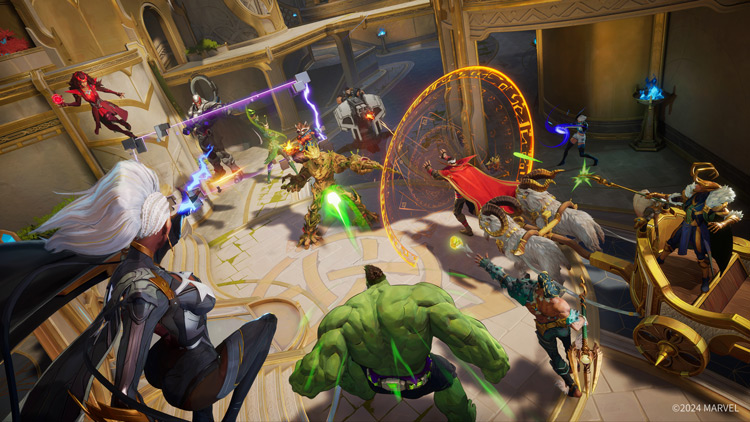
The modern hero shooter has inherited the Pokémon template more directly than its players typically realize. Marvel Rivals, Overwatch, Valorant and similar titles all rely on character acquisition and mastery as the primary long-term retention mechanic. Players unlock heroes, learn their kits, optimize their playstyle around the heroes they enjoy and slowly build personal rosters that reflect their tastes and skill. The competitive dimension layers on top of this, but the underlying retention loop is the collection. Players who would have been collecting Pokémon in 1998 are now collecting heroes in 2026, and the psychological satisfaction is structurally identical.
The gacha commercial engine built on the same loop
Gacha games took the character collection model and built a commercial engine around it that nobody in the early 2000s would have predicted. Genshin Impact, Honkai Star Rail, Fate Grand Order, Arknights and dozens of similar titles all use character acquisition as the primary spending driver. Players spend currency or real-world money for chances to pull new characters, and the value sits in the collection itself rather than in winning any specific encounter. The genre's commercial success has produced annual revenues that rival the entire pre-collection era of the industry, which speaks to how central the character collection psychology has become. Some players cross over into the social casino usa and similar social gaming categories specifically because the variable-reward structure carries similar psychological resonance to what gacha games already produce, with Mybets and other social platforms building experiences around that crossover audience.
Why fighting games are a collection model in disguise
The collection mechanic also explains the durability of the fighting game genre. Players in Street Fighter, Tekken, Mortal Kombat and Smash Bros. titles spend years mastering specific characters and building deep mechanical knowledge that they can apply across the roster. The collection in this context is less about acquisition and more about character familiarity, but the underlying loop is the same. Mastering a new character is a meaningful achievement, the journey from beginner to expert with that character is rewarding, and the satisfaction of pulling a deep-roster character out for a clutch moment carries weight that other genres rarely produce. Fighting game communities organize themselves around character mains in ways that fan communities for other genres do not.
The trading card game model that has run for thirty years
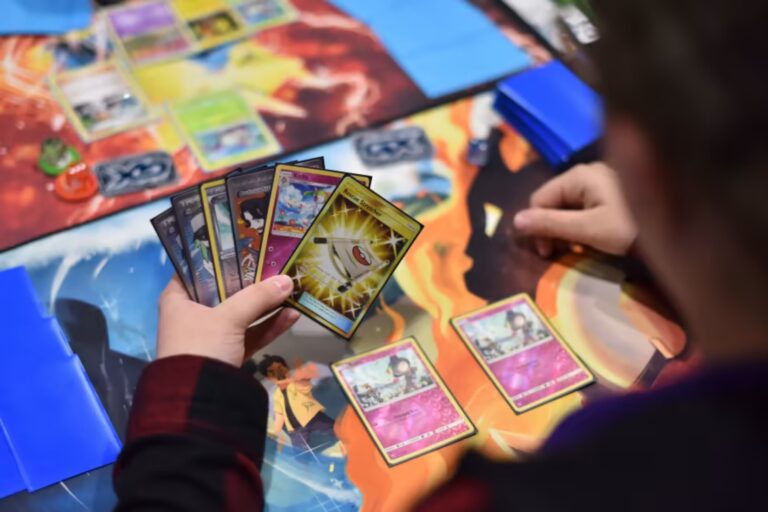
Among formats built around acquisition, Trading card games have always operated explicitly on the collection model. Magic: The Gathering, Hearthstone, Yu-Gi-Oh and Legends of Runeterra all use deck building and collection completion as the primary engagement loop, with competitive play as a layered objective on top. The TCG genre has stayed culturally relevant for thirty years precisely because the collection element keeps players engaged across product cycles in ways that purely competitive games cannot match. New sets release, new strategies emerge, old cards become viable again, and the collection grows in ways that produce ongoing satisfaction independent of any specific tournament outcome.
How MOBAs blend collection with mastery
The MOBA genre operates as a hybrid model that combines hero mastery with collection mechanics. League of Legends, Dota 2 and Heroes of the Storm all give players large rosters of characters that can be selected each match. Players build personal expertise across the roster while also exploring new characters as the meta shifts. The collection is less about acquisition and more about availability and mastery, but the structural logic is the same. Players ask what are fun games to play with friends and frequently answer with MOBAs precisely because the character roster gives groups a shared vocabulary for building team compositions and arguing about which hero should be played in any given situation. The longevity of the genre's most successful titles speaks directly to how well the collection-meets-mastery model continues to hold player attention.
The single-player RPG absorbing the same mechanic
Even Single-player RPGs have absorbed the collection mechanic in ways that the original RPG designers would find surprising. Persona, Pokémon-adjacent monster collection games, Yakuza-style spin-offs that include playable rosters, and recruitment-focused tactics games all leverage the collection loop to extend playtime well past what the main story would otherwise produce. The 80-hour single-player RPG often gets to 80 hours specifically because of the collection content, not the story content, and the studios that have figured this out are extending their content lifespans accordingly.
Why the collection loop will outlive almost every other design pattern in gaming
The deepest reason the collection loop has survived so many eras of the industry is that it taps into something that predates video games entirely. Humans have collected objects of personal meaning for as long as recorded history. Coins, stamps, baseball cards, books, vinyl records, action figures and now digital characters all activate the same psychological circuits. The collection loop is not a game design trick. It is a recognition of a human behavior that already exists, repackaged into a form that game systems can reward and extend. The studios that understand this will keep producing collection-centered experiences for as long as humans remain interested in accumulating, organizing and showing off the things they value, which is to say for as long as there are humans.