Table of Contents
- 1 Seasonal content and gameplay changes in hero shooters
- 2 Daily play habits and the engagement loop explained
- 3 Refreshing team strategies and community excitement
- 4 Rewards, progression, and the psychology of participation
- 5 Mitigating burnout and maintaining long-term freshness
- 6 Making the most of special events and limited modes
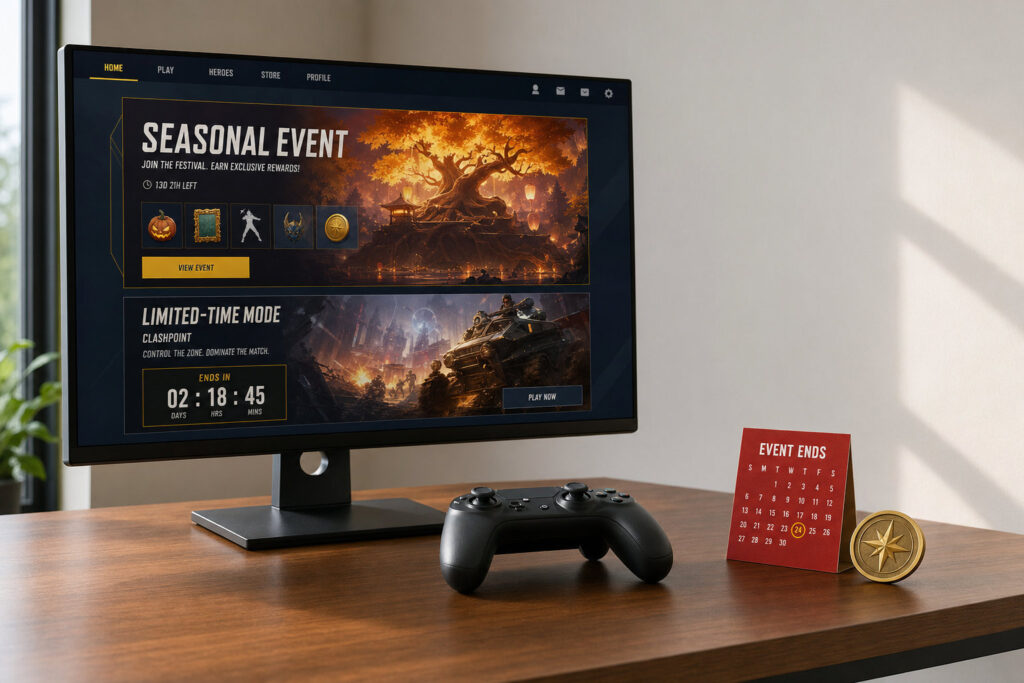
Seasonal updates and rotating game modes are important features in live-service hero shooters. These time-limited experiences provide structured excitement and offer new reasons for players to revisit the game. For fans of Marvel Rivals, well-designed seasonal content can sustain interest between major updates.
Frequent cycles of new challenges and thematic content can add fresh appeal to competitive multiplayer games. Live-service titles such as Marvel Rivals often use events and limited-time modes to help bridge the gap between major updates, alongside broader promotion calendars such as Zula Casino Promotions.
Seasonal engagement can shape play routines, and understanding how these features function may help players decide how to approach limited-time opportunities. The impact of these modes depends on design choices, including how objectives and rewards are structured.
Seasonal content and gameplay changes in hero shooters
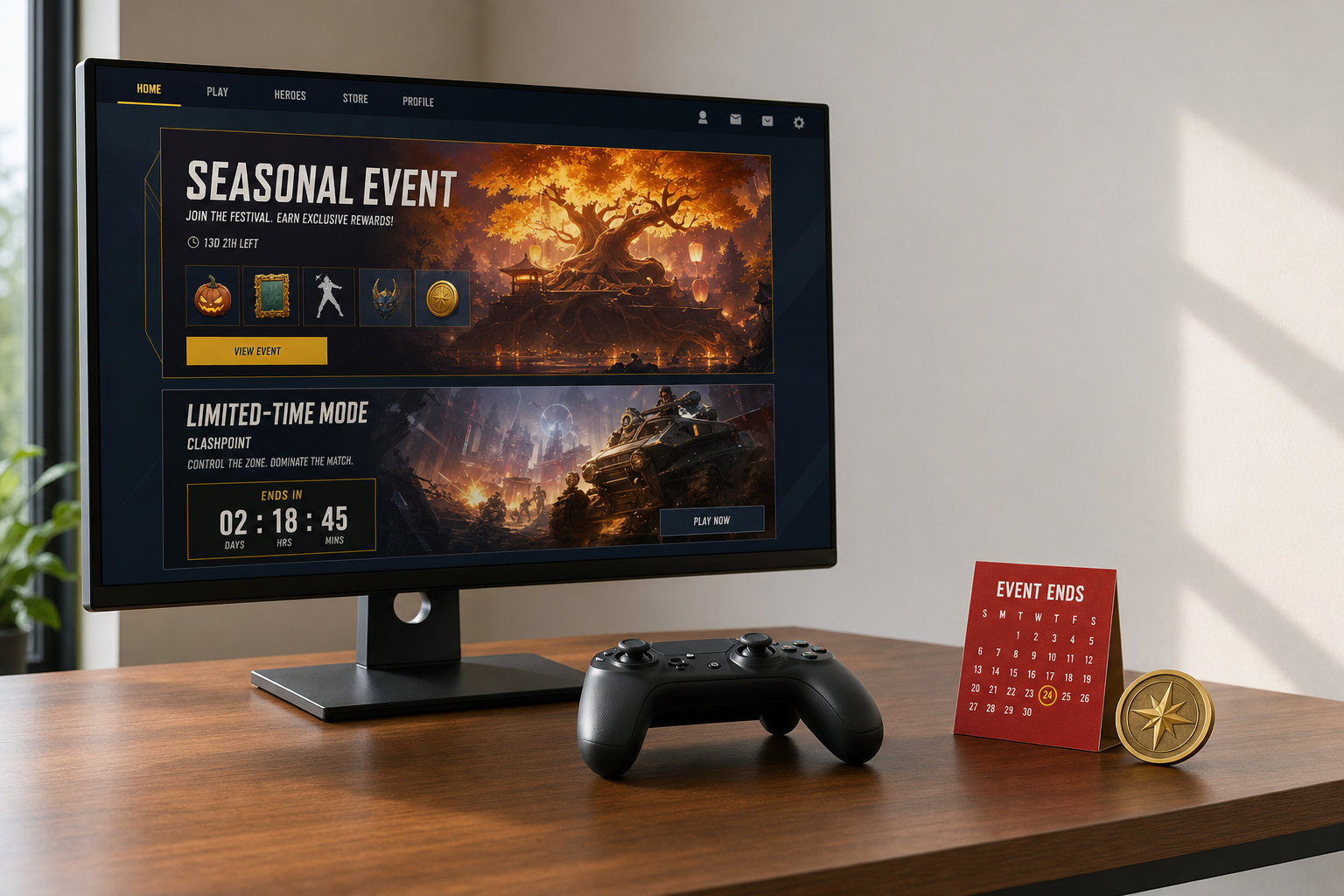
Seasonal content in Marvel Rivals can include time-sensitive updates intended to refresh the game’s feel and appearance. Developers may introduce new events, themed challenges, special cosmetics, and time-limited rewards available for a set period. These features usually follow a calendar-driven approach, giving the community recurring points of interest.
Limited-time modes present alternative rule sets, allowing players to experience familiar maps and heroes in different ways. These modes might change match objectives, adjust hero abilities, or impose team restrictions that encourage experimentation. Rotating events can motivate players to return and may support a meta that evolves even without new heroes.
Daily play habits and the engagement loop explained
The regular introduction of event tracks and milestone challenges can give players short-term goals. By logging in to complete specific objectives, players may develop habits that support steady involvement across seasons. This loop can fit into Marvel Rivals’ competitive gameplay while providing progression outside ranked play.
Daily and weekly missions can sustain interest by offering manageable targets. These objectives often involve completing matches, earning eliminations, or using certain heroes within a set window. Over time, these layers of progression can deepen investment and provide a sense of achievement outside standard ranking systems.
Refreshing team strategies and community excitement
Alternative rule sets found in limited-time modes can shift standard team compositions and strategies. By breaking from established meta trends, these modes can offer space to test lesser-used heroes or unconventional tactics without affecting competitive rank. This flexibility can lead to experimentation and may reveal combinations that work in regular play.
When new seasonal features and modes launch, returning players may join friends to tackle challenges. Events can coincide with increases in streaming, content creation, and discussion among the community. These shared moments can reinforce teamwork and social interaction among fans.
Rewards, progression, and the psychology of participation
Rewards are often a strong motivator for participation in seasonal events and limited-time modes. Scarcity and exclusivity can influence motivation, as cosmetics or titles unavailable in regular seasons may signal participation. Limited-time unlocks can include avatars, skins, or animations tied to specific events.
Balancing challenge and accessibility is important to avoid frustration or excessive pressure to participate. While progression pacing can reward active play, it should not exclude those with limited time. Systems can offer meaningful unlocks for highly engaged players and clear milestones for casual participants.
Mitigating burnout and maintaining long-term freshness
Event-driven engagement can have drawbacks if overused. If objectives become repetitive or rewards feel inflated, some players may experience fatigue or lose interest. Developers may need to balance frequency and novelty so each season feels distinct without overwhelming the player base.
Fairness can also be a concern, especially for those unable to participate every day. Questions about reward distribution and how quickly content rotates can affect community trust. Transparent communication and flexible objectives can support a more inclusive and enjoyable experience.
Making the most of special events and limited modes
Pacing participation in events can help some players avoid burnout and focus on achievable goals. Prioritizing objectives that match personal strengths or preferences can lead to more satisfying sessions. Choosing modes that emphasize teamwork or build strategic skill can add value to playtime.
Tracking seasonal calendar updates and reward structures can support better planning. This approach can help players target specific unlocks while preserving enjoyment and available time. It can also help keep Marvel Rivals engaging and rewarding throughout the year.