

Table of Contents
Competitive gaming and online platforms thrive on a simple but powerful principle: keeping players engaged long enough for habits to form. This engagement isn’t random—it’s carefully structured to tap into something called the flow state. For both developers and players, understanding how this works opens the door to better experiences, smarter choices, and stronger connections between the product and its audience.
Flow State: The Core of Player Engagement
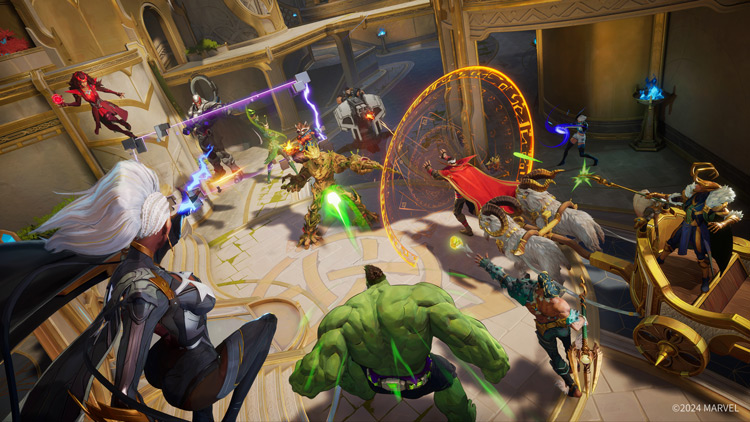
Flow state is a psychological sweet spot where time feels like it disappears. It happens when challenge meets skill in just the right balance—too easy, and it’s boring; too hard, and it’s frustrating. Titles like Marvel Rivals build entire ecosystems around this principle. Each match is designed to create escalating moments of tension and reward. Timers, cooldowns, and progression systems provide immediate feedback, keeping players laser-focused on the next objective.
But it’s not just AAA games tapping into this. Casual online platforms use the same psychological tactics—whether through small, satisfying animations or rapid reward cycles—to maintain engagement. These elements make players feel involved, competent, and motivated to continue, chasing that next small win.
How Online Platforms Leverage Flow
When looking at platforms built around gaming mechanics, progression loops are everywhere. Immediate feedback is tied to visual cues, sound design, and achievement systems. This is where IgnitionCasino.eu demonstrates how the psychology of flow carries over into more casual or leisure-focused platforms. By offering structured, fast-paced interactions with visible outcomes—such as progress meters, loyalty programs, and themed game rotations—IgnitionCasino.eu keeps users engaged through the same principles that competitive games employ.
These platforms also recognize the power of pacing. They incorporate timers, countdowns, and rotating offers to create a sense of urgency without overwhelming users. This keeps interactions brief but repeatable, which is key for maintaining that engagement over time.
A great example is the recent feature shared on their Instagram account, highlighting Instant Inferno as the “Game of the Week.” With bold visuals and a playful challenge—“Are you bold enough to take the heat?”—this type of promotion feeds directly into flow psychology. It offers a simple call to action with immediate rewards like double Ignition Miles, and ties into existing progression systems. These design choices encourage repeated engagement through layered incentives.
This structured approach benefits both casual and competitive players. It’s not about high stakes or intense strategies—it’s about crafting an experience that feels rewarding every step of the way.
Why It Matters for UX and Design
For developers, studying how competitive games like Marvel Rivals harness flow can lead to better user experiences across genres. Timing, feedback loops, and reward structures aren’t exclusive to action-packed titles. They apply just as much to slower, more methodical games, or platforms where engagement builds over weeks or months.
Casual platforms, particularly those in the entertainment sector, rely on creating experiences where users return not because they feel they must, but because the design naturally guides them to. When users feel their time is respected, progress is visible, and goals are achievable, engagement becomes self-sustaining.
This approach mirrors broader UX principles: clarity, feedback, progression, and pacing. It’s not about flash; it’s about consistency and thoughtful design.
Flow Engagement in Practice: A Comparison
| Platform Type | How Flow State is Used | Key Engagement Tools | Psychological Benefit | User Behavior Outcome |
| Competitive Games | Skill-based challenges, escalating tension | Timers, cooldowns, progression systems, visual feedback | Creates focus, mastery, and immersion | Extended sessions, repeat play |
| Casual Online Platforms | Repeated interaction through progression loops | Loyalty systems, animations, sound cues, rotating offers | Builds routine, rewards consistency | Short, frequent visits, retention |
| Online Casino Platforms | Fast-paced feedback and incremental progression | Reward programs, milestones, themed promotions, visual effects | Encourages engagement, provides satisfaction from progress | Regular engagement, loyalty growth |
| Social Games | Connection-driven goals and timed tasks | Friend leaderboards, cooperative challenges, daily missions | Fosters belonging, social accountability | Daily log-ins, social sharing |
| Mobile Apps | Bite-sized challenges tied to progression | Push notifications, streak rewards, achievements | Reinforces habit-building, gratification | Habit formation, user retention |
The Blueprint Behind Great Design
Players crave experiences where they feel in control, challenged, and rewarded. That’s the foundation of flow state engagement, and it’s why both competitive games and casual platforms continue to succeed. By aligning the challenge with feedback and offering clear, achievable progression, these platforms create environments where users want to stay—not because of luck, but because the experience itself feels inherently satisfying.
For players, recognizing these systems helps in making smarter choices about where and how to spend their time. For developers, it’s a reminder that psychology isn’t just theory—it’s the blueprint behind great design.
How Players Can Use Flow State Awareness to Improve Their Experience
Understanding how flow works is not just useful for developers—it helps players make smarter decisions about how they engage with games and platforms. By recognizing the signs of healthy engagement, such as feeling challenged but not overwhelmed, or noticing when progression feels natural and rewarding, players can better manage their time and energy.
Flow is most rewarding when it aligns with personal goals, whether that’s mastering a new game or simply enjoying a brief, well-designed experience. By staying aware of how these systems influence behavior, players can maximize their enjoyment while maintaining balance in how they spend their time.