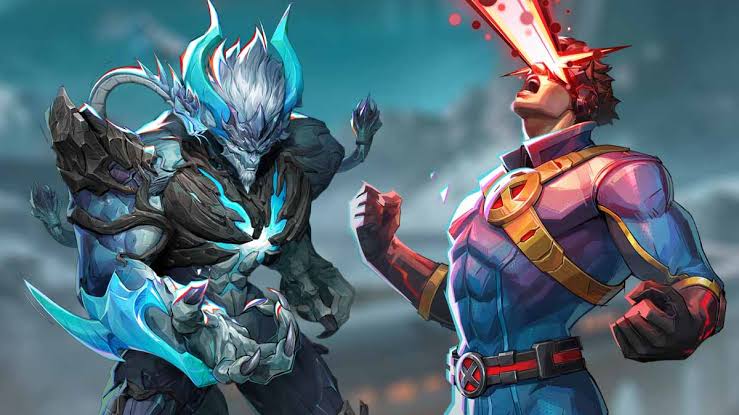

The competitive ecosystem for Marvel Rivals continues to redefine how both dedicated and casual players experience the game. As organized play gains momentum, the surrounding infrastructure and opportunities also expand. Esports is no longer reserved for professionals, it now shapes the gameplay of the entire community.
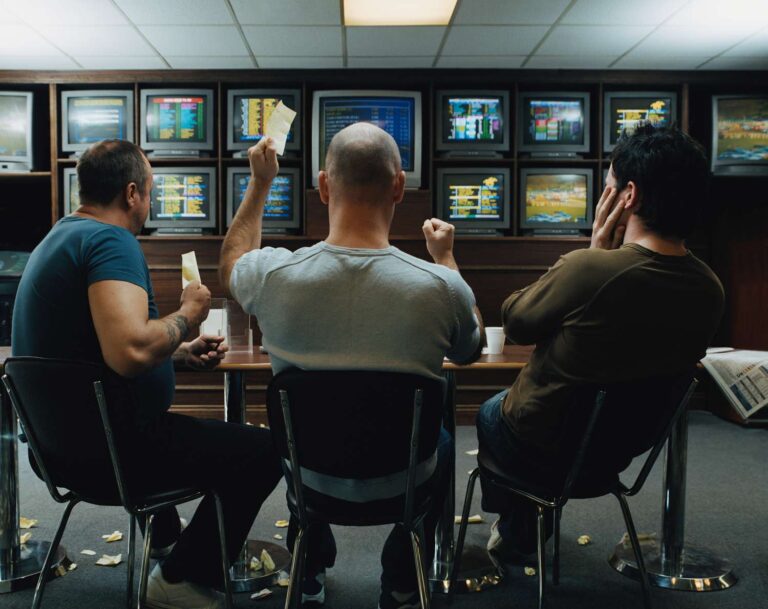
The relevance of the competitive scene extends well beyond tournament participants, with strategies and metagame shifts eventually influencing even those who play with friends in unranked modes or enjoy betting at BOYLE Sports. When people refer to the “esports ecosystem” for a title like Marvel Rivals, they are describing not just the high-stakes tournaments, but also ranked ladders, structured team play, amateur competitions, analysis content, and the rapidly growing landscape of community support. For most players, understanding how these facets interact is critical for keeping up with evolving tactics. The ecosystem influences everything from hero selection trends and map rotations to individual improvement strategies, making it increasingly relevant for all skill levels. The competitive side of Marvel Rivals is now having a direct impact on bettingsites, as more spectators look to stay informed about player performance and current meta shifts.
Structured competition and player progression
The Marvel Rivals competitive landscape in 2026 is marked by a robust structure that includes ranked matchmaking, amateur tournaments, and a variety of team formats. Most organized events rely on specific formats determined by the organizers, featuring different match lengths, map selections, and hero drafting systems. Ranked ladders act as a testing ground for aspiring competitors, providing an environment for individual progress and team discovery. Players who excel on these ladders are regularly noticed by established teams and may receive invitations to higher-level competitions.
The journey from casual play or solo queue to organized teams often starts in grassroots “pickup” matches, where stronger players are asked to participate in unofficial squads. As these players and groups achieve consistent results, they progress to community leagues or qualify for large-scale tournaments. Throughout this process, there is significant crossover between informal and official play, and the competitive structure gives most participants a realistic path to long-term involvement. As the esports ecosystem continues to evolve, regular ranked players increasingly encounter the same strategic trends and hero lineups used in professional settings and discussed on bettingsites.
Tournament formats, rulesets, and meta preparation
Esports tournaments in Marvel Rivals apply distinctive rulesets and draft formats that heavily influence team preparation. The rotation or removal of certain maps during events often transforms which hero abilities become vital and challenges teams to adapt specific movement or defensive strategies. Hero drafts, where teams pick or ban characters, demand that players become proficient with a wide selection and anticipate changes in the opposition’s tactics.
Preparing for these organized tournaments requires players to look beyond standard ranked routines. Competitors closely follow official patch notes and use tournament schedules to refine special lineups or synergies tailored for specific matchups. Teams examine both current and prior meta shifts to stay ahead, and frequent metagame updates mean that habits developed in ranked modes must be re-evaluated. For many in the community, keeping informed on tournament rules and recent roster experiments—often covered on bettingsites—makes the difference between staying competitive and being left behind.
Team roles, hero mastery, and coordinated play
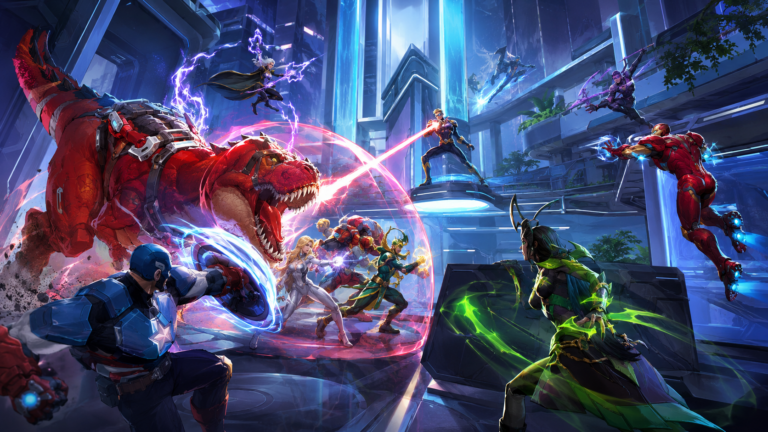
Marvel Rivals’ growth in the esports space has amplified the importance of specific team roles and deeper hero mastery. While individual skill remains important, meta strategies increasingly value synergy and the adaptability of each player within a team context. Hero selection is shaped by how well each option fits a cohesive game plan, and teams regularly adjust roles to maximize collective strength. Characters that were once considered niche can become essential choices depending on how the evolving meta unfolds.
High-performing teams often dedicate time to mastering particular roles—like controlling objectives with tanks or supporting through healing—and match their lineups to emphasize these strengths. The ability to move beyond personal hero preferences for the benefit of the team is a mark of advanced play. Insights drawn from bettingsites further inform the wider player base about which heroes and roles are proving decisive in both organized play and ranked matches, highlighting the ongoing link between the pro scene and everyday player experience.
Analysis, community learning, and knowledge transfer
The rise of analysis hubs, match replays, and advanced statistics in Marvel Rivals has accelerated knowledge sharing across all levels of the player base. Video-on-demand content, post-match breakdowns, and meta discussions allow both solo players and teams to stay updated on tactical shifts and strategy innovations. The rapid dissemination of insights has become critical in helping regular players adjust their own habits and stay effective within the changing meta.
Expert commentary and statistical analysis bring clarity to how teams secure map control, set up hero combinations, or adapt to new patches. While these resources rarely dictate rigid formulas for success, they provide a wide array of options and ideas for players to experiment with. By following creator-led discussions and reviewing high-level play, everyday players gain a clearer understanding of how competitive trends—and data from bettingsites—can be used to refine their ranked strategies and improve as the Marvel Rivals ecosystem continues to advance.