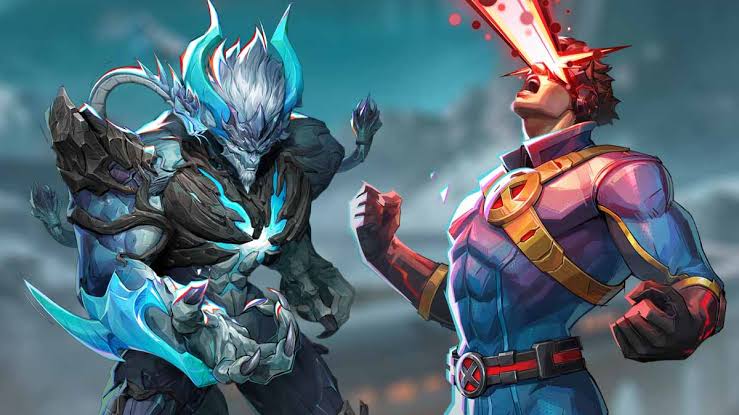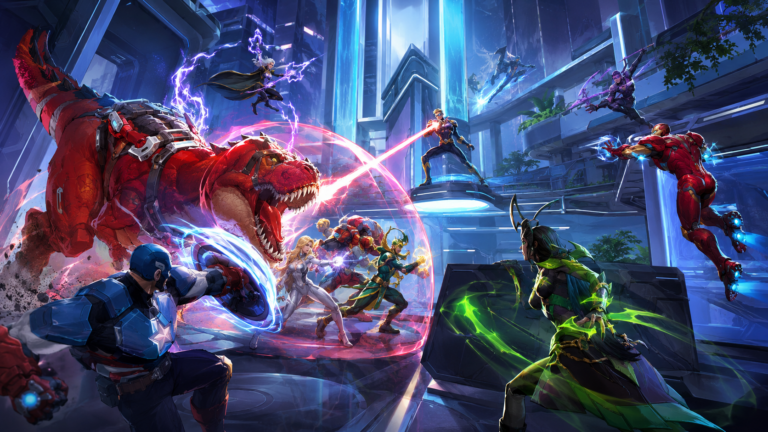


The explosive rise of cloud gaming on mobile devices has transformed how players experience high-end titles like Marvel Rivals, but success depends entirely on network stability. 5G technology's ultra-low latency under 20ms creates the foundation for competitive cloud gaming, making previously impossible mobile experiences seamless and responsive.
Players now expect console-quality gaming experiences on their smartphones, surpassing the limitations of traditional mobile devices. Cloud gaming platforms like NVIDIA GeForce NOW can stream Marvel Rivals with almost instantaneous responsiveness when combined with 5G networks that offer latencies between 10-15 ms.
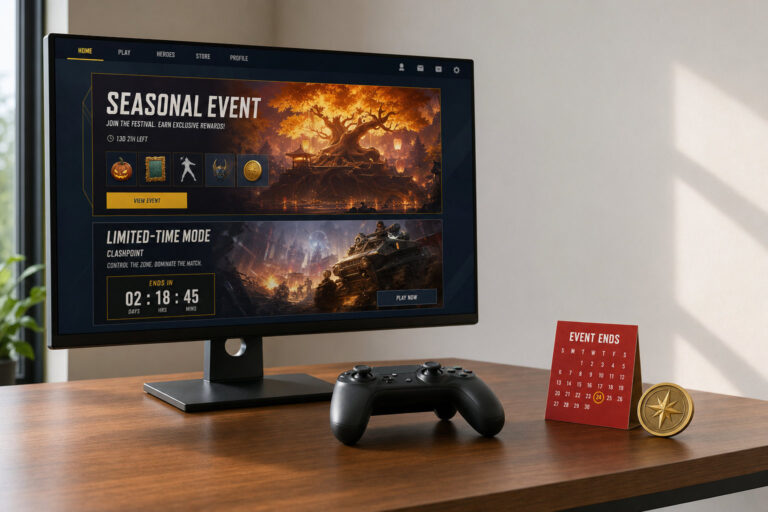
A stable connection is also a must when making purchases using virtual in-game currencies available in Marvel Rivals. The same goes for other mobile games as well. The intersection of mobile gaming and virtual economies has created fascinating parallels across different entertainment sectors. Gaming platforms increasingly rely on virtual currencies and reward systems, much like the dual-currency models used by https://www.vegasinsider.com/sweepstakes-casinos/. These sweepstakes platforms utilize Gold Coins for entertainment and Sweeps Coins for real prizes, mirroring how Marvel Rivals implements its own virtual currency systems for character unlocks and cosmetic purchases.
Both ecosystems understand that stable, low-latency connections are essential for user engagement, whether players are executing precise combos in competitive matches or participating in time-sensitive promotional events.
The Critical Role of Sub-20ms Latency
Network latency under 20ms represents the threshold between competitive viability and frustrating gameplay. Traditional 4G networks typically deliver 50-100ms latency for cloud gaming, creating noticeable delays between input and on-screen action. 5G's revolutionary improvement to 10-15ms makes cloud gaming feel responsive enough for competitive play, with some deployments achieving as low as 1-3ms under optimal conditions.
For Marvel Rivals specifically, this latency reduction proves crucial during intense team fights where split-second timing determines victory. The game's fast-paced combat system requires precise input registration, particularly for Duelist characters who rely on combo execution and positioning. When streaming through GeForce NOW on 5G, players experience responsiveness comparable to local console gaming.
Mastering Black Panther: Precision-Dependent Duelist Builds
Black Panther exemplifies why low latency matters in Marvel Rivals' competitive play. As a high-difficulty Duelist with a 4-star complexity rating, T'Challa demands precise timing, positioning, and combo execution that becomes impossible with network delays.
Essential Black Panther mechanics requiring sub-20ms response:
Vibranium Mark System: Black Panther's core mechanic involves marking enemies with Spear Toss or Spinning Kick, then executing Spirit Rend for instant cooldown refresh and bonus health. Network lag disrupts this timing-critical combo chain, leaving players vulnerable without escape options.
Wall-Running Mobility: The Subtle Step ability allows wall climbing and enhanced positioning, but requires immediate input response for effective flanking maneuvers. High latency creates delays between movement inputs and character response, reducing the effectiveness of surprise attacks.
Combo Execution: Optimal Black Panther play involves chaining Spear Toss → Spirit Rend → Vibranium Claws → Spinning Kick for maximum damage output. Each ability must connect within precise timing windows, making network stability essential for consistent performance.
Professional players recommend specific techniques for optimizing Black Panther's mobile performance:
- Mark Priority: Target isolated supports first, using Spear Toss to establish Vibranium Marks before engaging
- Positioning: Utilize wall-running to approach from unexpected angles, requiring immediate input response
- Combo Timing: Execute the full ability rotation within 2-3 seconds for maximum effectiveness
5G vs Mobile Legends: Speed Comparison
Mobile Legends: Bang Bang provides an excellent comparison point for understanding latency requirements in competitive mobile gaming. While Mobile Legends typically runs acceptably on 40-60ms connections, Marvel Rivals' more complex 3D environments and precise hitboxes demand significantly lower latency.
Latency comparison across gaming scenarios:
- Mobile Legends: Playable at 50-60ms, optimal under 40ms
- Marvel Rivals Cloud Gaming: Requires under 20ms for competitive play
- Console Gaming: Typically 1-5ms local processing
The difference stems from architectural complexity - Mobile Legends' 2D-style gameplay with simplified physics tolerates higher latency better than Marvel Rivals' full 3D character abilities and environmental destruction. Additionally, cloud gaming adds network transmission time for both input delivery and video streaming, making ultra-low latency essential.
Optimizing Your 5G Gaming Setup
Maximizing Marvel Rivals performance on Galaxy S25 requires strategic network optimization:
Network Selection: Prioritize mmWave 5G when available for 1-3ms latency, falling back to mid-band 5G (5-15ms) for broader coverage. The Galaxy S25's, for example, multi-band support automatically selects optimal frequencies based on signal strength and congestion.
GeForce NOW Settings: Use Ultimate tier for 4K/120fps streaming or Priority tier for 1080p/60fps with guaranteed server access. Free tier users may experience queue times and reduced performance during peak hours.
Gaming Mode Configuration: If your mobile allows it, enable Game Mode for CPU/GPU prioritization and notification blocking during gameplay. This ensures maximum processing power allocation to cloud gaming streams.
Environmental Factors: Maintain line-of-sight to 5G towers when possible, particularly for mmWave connections. Indoor positioning near windows or elevated locations can significantly improve signal quality and reduce latency fluctuations.
Quality-of-Service Settings: Modern 5G networks implement intelligent traffic prioritization, automatically detecting gaming applications and reducing latency through network slicing technology.
As 5G infrastructure continues expanding and mobile processors become more powerful, the distinction between mobile and traditional gaming will continue blurring, making network stability the ultimate determining factor for competitive success.