

Table of Contents
If you've ventured into Competitive after the Season Three reset, you’ve probably felt some frustration. Bronze feels like a random grab bag of skill levels. And Diamond players are stuck grinding in Silver like it’s open tryouts for the Avengers.
That’s because the reset didn’t just lower your rank—it flattened the distribution curve of everyone’s rankings. Everyone Platinum and below was slammed into Bronze. Diamond players plunged into Silver. Everyone is trying to claw out of a place they know in their heart, they don’t belong. All while trying to figure out the new meta after a ton of balance changes and reworks. It’s chaotic. There’s a lot of frustration in losing games in a rank that should be well below where you actually belong based on your performance last season.
Whether you’re climbing solo or as a squad, let’s talk about how to streamline your Rivals Competitive climb in this mess.
Embrace the Chaos—Avoid Tilt
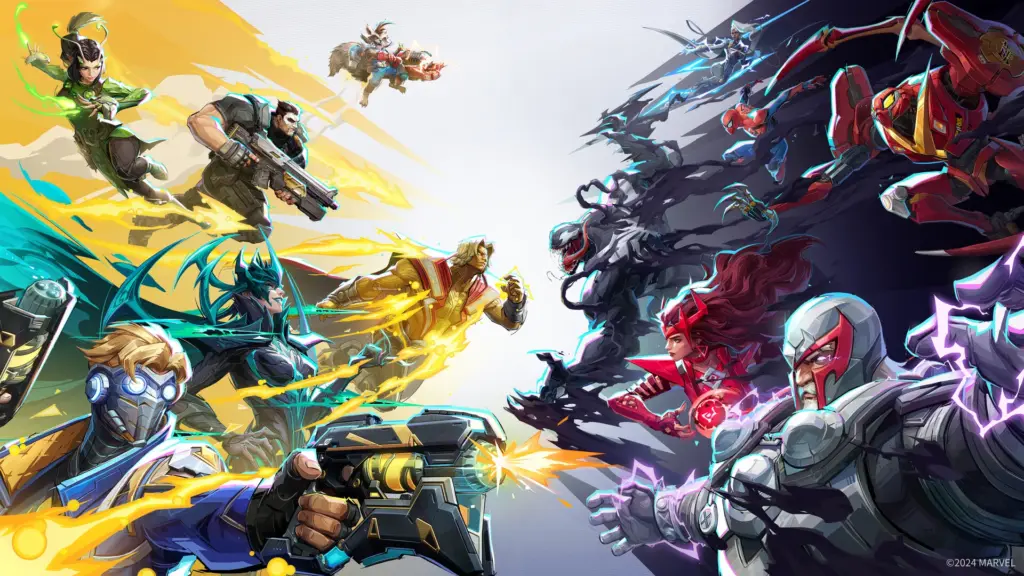
First off, expect volatility and tons of variance in your games early into the season. You’re going to have matches that feel like complete stomps and others where your teammates look like they’re playing a hero for the first time ever, without even a minute of practice range time. That’s the volatile nature of matchmaking when ranks are compressed.
The key is to avoid tilt. Keep your cool, focus on your own performance, and control what you can: communication, team composition, and your own individual and team execution. A good first round doesn’t mean an easy win and vice versa.
Heavy variance is part of the equation for at least the first two weeks of a new season after resets. You have to either embrace it and try to grind through it (while keeping a good mental attitude) or wait it out and prioritize learning new changes and metas in quick play.
If you feel yourself starting to tilt in ranked, avoid queuing into competitive again. Take a solid break, play some quick play, and look for an opportunity to mentally reset before queuing up again.
Play to the Meta and Don’t be Afraid to Fall Back to Comfort Picks
When the dust hasn’t settled on a meta, the most reliable strategy is to lean into heroes who are consistent performers and low-risk in unfamiliar environments.
This is also the perfect time to go back to safe picks or promising new contenders. If you aren’t comfortable in a situation, prioritize heroes with utility and adaptability and who have a historic record of performance. Consistent performers who are solid anchors to a team in a vacuum when the meta is unknown. Look at who’s performing well across multiple team comps—not just high-tier picks, but heroes that synergize reliably and don’t require a coordinated team to shine.
If you’re a Strategist main, consider versatile picks like Rocket Raccoon or Luna Snow who have great healing potential and can also get themselves out of danger in a pinch. Vanguard: [/item]Magneto[/item] and Doctor Strange remain solid picks despite nerfs. Emma Frost has also been crushing it in early season two performance! Duelist: Scrappy brawlers like Mister Fantastic or Iron Fist who can self-peel and reposition when things go sideways are valuable right now. Or choose a safe and incredibly effective character like Namor, who can punish dive compositions and dish out damage from range.
Flexing Is Even More Valuable Right Now

If there was ever a time to lean into flexing roles, early into a season is it. The current state of matchmaking and lack of role queue means you’re not always going to get the role you want—or the team you want. Being able to confidently switch roles mid-match to balance out your squad is a game-changer. Communicate with your team and make swaps where possible and needed. You can mix things up and throw the enemy team off balance, and adjust to any shortcomings on your team. One minor swap between rounds can make all the difference.
Read my guide on flexing.
Let’s say you queued up for Comp and wanted to play Duelist, but your team quickly locks in two Duelists before you make your pick. You’re likely better off flexing into Strategist or Vanguard rather than painting your team into a corner and forcing a single player to solo tank. As a Vanguard main myself, this is all too common and statistically reduces our odds of winning from the start.
Every small edge you can generate matters and will surface in your bottom line—overall win rate. And data shows that 2/2/2 compositions with two of each role are still performing the best on average. Your ability to adapt and flex into different roles as needed gives your team a fighting chance. Simple coordination, synergy in roles, and flexibility make a big difference.
Get an edge on the early meta with my data-driven meta-analysis series here.
Focus on Overall Team Impact, Not Just Individual Stats
With the addition of performance-based elo based on individual contribution, it’s easy to get caught up in chasing stats to try to climb faster. But stats are meaningless if your team is still losing. To climb faster, you want to improve your bottom line and overall win rate.
Numbers aren’t everything. You might have a “bad” scorecard when actively enabling your team and winning fights.
Focus on empowering your team. Are you enabling your teammates? Are you surviving long enough to contribute meaningfully in team fights? Are you peeling for your Strategists or securing picks as a Duelist? Are you making smart swaps between rounds to adapt to the enemy comp?
Chasing kills and damage at the expense of dying early in a team fight is an active detriment to your team. The stronger you perform as a team, the better you’ll climb. That’s not to say you shouldn’t try to perform well as an individual—but prioritize playing with your team rather than as an individual. Do this well, and you don’t have to carry every game on your back. You’ll still tip the scale in your favor more often than not.
Consider Waiting it out if You Find Yourself on Shaky Ground
As time goes on, the quality of matchmaking improves and variance is reduced. The distribution curve can stretch, and people can settle into their true rank. If you’re running into a lot of frustration with your matchmaking, consider waiting it out a little bit longer. You can practice in quick play and learn new hero changes without stressing over your rank. Just know that quick play is a much more casual environment. Most teams will not coordinate or align their hero composition to the same degree in quick play, so it’s not a 1:1 experience with competitive.
Wrap Up
The ranked climb this season is going to feel chaotic for a little longer. With a flattened distribution curve and a brand new meta, variance is through the roof. But with the right mindset—and some adaptability, you can rise through the chaos faster than most!
Be the player who stays calm, flexes to heroes to meet the needs of your team, plays the emerging meta, and climbs consistently over the long run. You’ll be surprised how quickly you separate from the pack by doing those few things well.
Good luck on your grind this season, I’ll see you on the ladder!